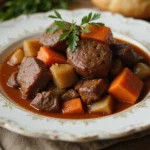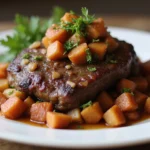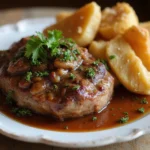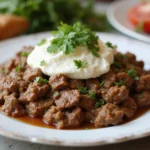
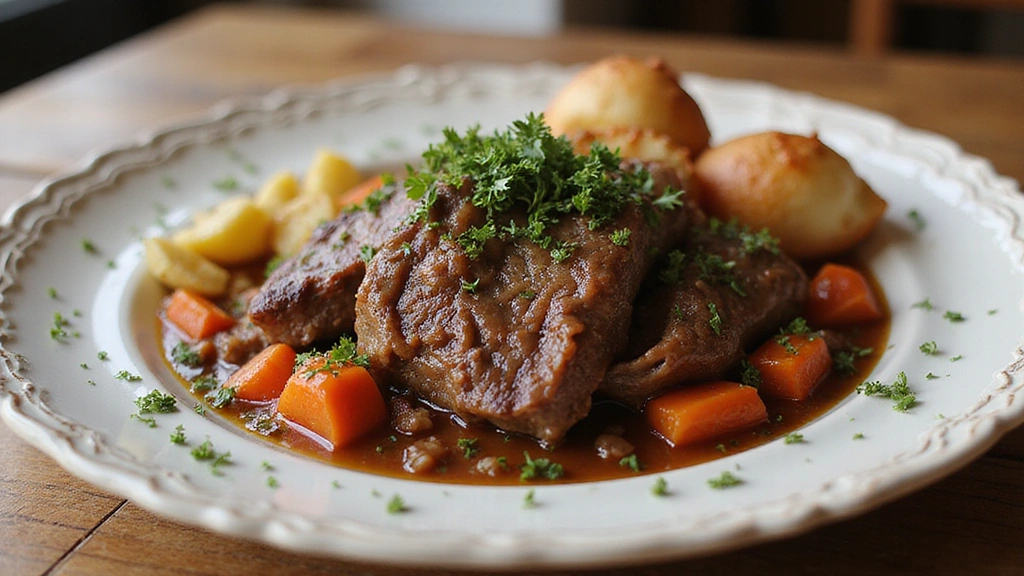
Beef Rump Roast in a Crock Pot is the epitome of comfort food, transforming a simple cut of meat into a tender, flavorful masterpiece.
The slow-cooking process allows the rich flavors to meld beautifully, creating a dish that warms the heart and soul.
I first encountered this recipe during a chilly winter evening, where the aroma wafting from the kitchen promised a cozy meal ahead.
Perfect for family gatherings or a quiet night in, this hearty roast offers an effortless way to impress with minimal fuss.
The History and Cultural Significance
• Beef Rump Roast Recipes Crock Pots Comfort Classic traces its origins to the early 20th century, where it was originally created by home cooks looking for economical meal options.
• The dish evolved over decades as cooking techniques and equipment improved, eventually becoming a staple in American households.
• In the United States, this dish traditionally appears at Sunday dinners and holiday gatherings, symbolizing family togetherness and warmth.
• While many variations exist across different regions, the authentic version maintains a slow-cooked process that ensures tenderness and flavor.
Recipe Overview
Nutritional Information (per serving)
Ingredients
Essential Equipment Guide
Crock Pot: This slow cooker is essential for achieving the melt-in-your-mouth texture characteristic of beef rump roast. Look for models with programmable settings and a locking lid for spill-free transport.
Meat Thermometer: An accurate meat thermometer ensures your roast reaches the perfect internal temperature without overcooking. Choose a digital thermometer for quick and precise readings.
Cutting Board: A sturdy cutting board is crucial for safely cutting the roast after cooking. Opt for a large, non-slip board to accommodate the size of the roast.
Preparation Methods
Searing the Meat: This technique involves browning the meat in a hot pan before cooking it in the crock pot. Searing locks in juices and creates a flavorful crust. Ensure the pan is hot enough to create a sizzle when the meat touches it.
Deglazing the Pan: After searing, deglazing involves adding liquid to the hot pan to lift the flavorful brown bits stuck to the bottom. This step is crucial for building a rich sauce base. Use a wooden spoon to scrape the bits while the liquid simmers briefly.
Layering Ingredients: Proper layering in the crock pot is important for even cooking. Start with root vegetables on the bottom, followed by the roast, and then add the liquid. This method ensures that the vegetables absorb the flavors while cooking.
Step 1: Prepare Ingredients
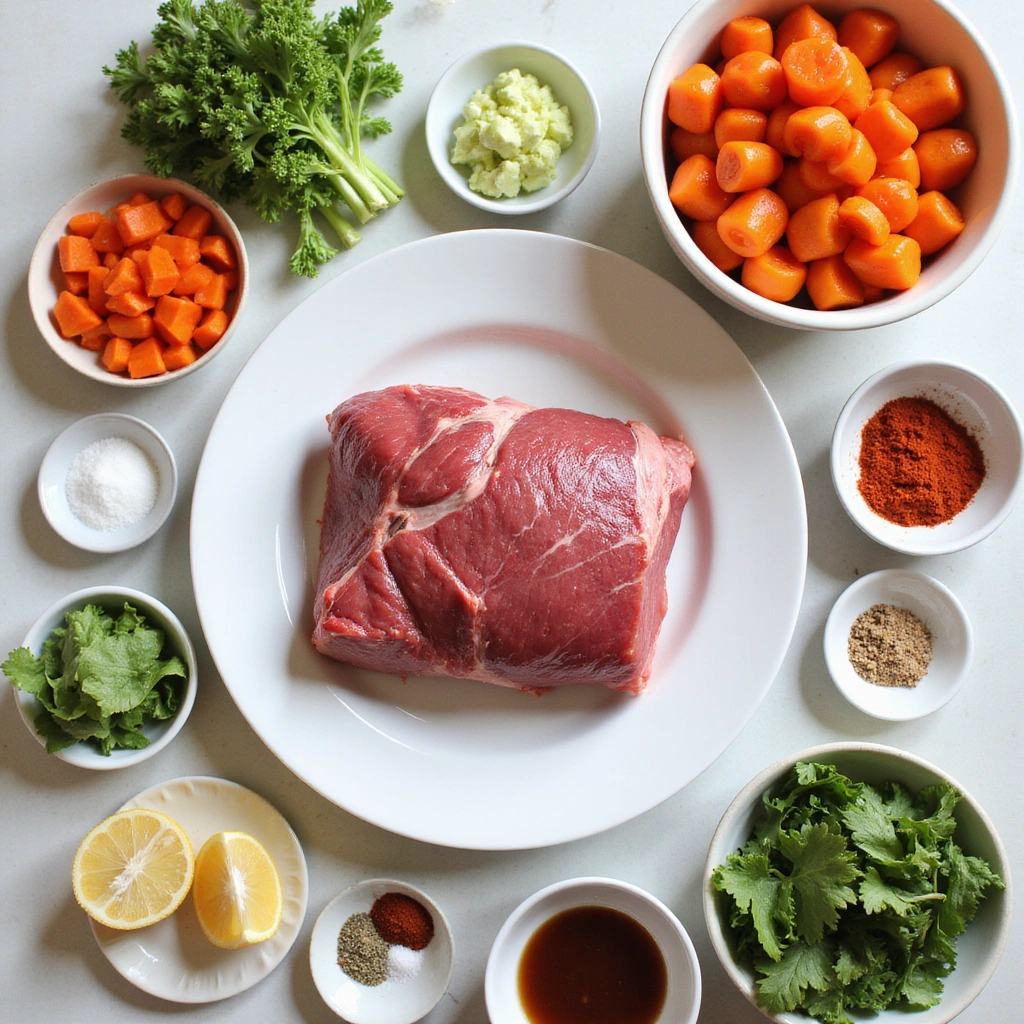
Gather all the ingredients needed for the recipe.
Ensure the vegetables are washed, peeled, and chopped into uniform pieces.
This helps them cook evenly during the long slow-cooking process.
Set aside the beef roast to bring it to room temperature for better cooking results.
Step 2: Sear the Roast
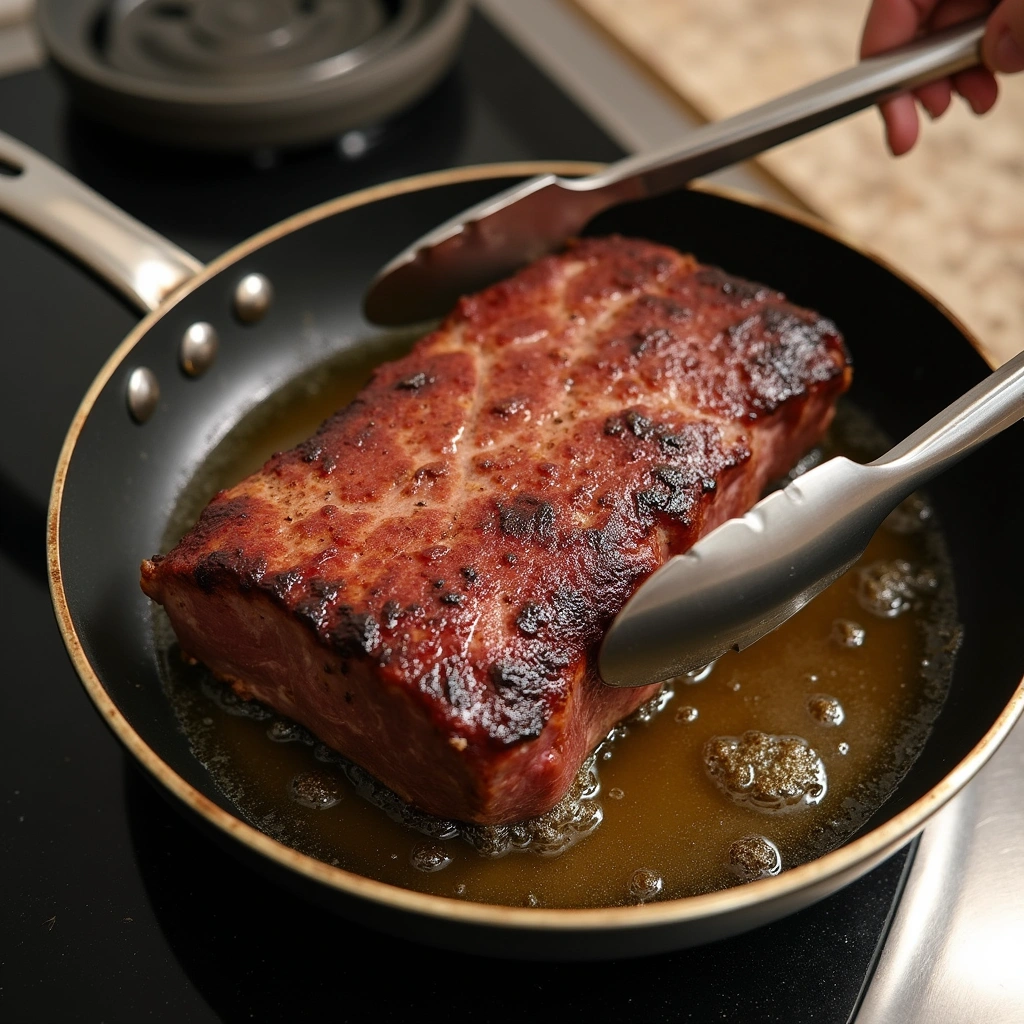
Heat olive oil in a large skillet over medium-high heat.
Carefully add the beef roast and sear it on all sides until browned, about 3-4 minutes per side.
Look for a deep golden-brown crust, which indicates flavor development.
Use tongs to turn the roast for even cooking without piercing the meat.
Step 3: Deglaze the Pan
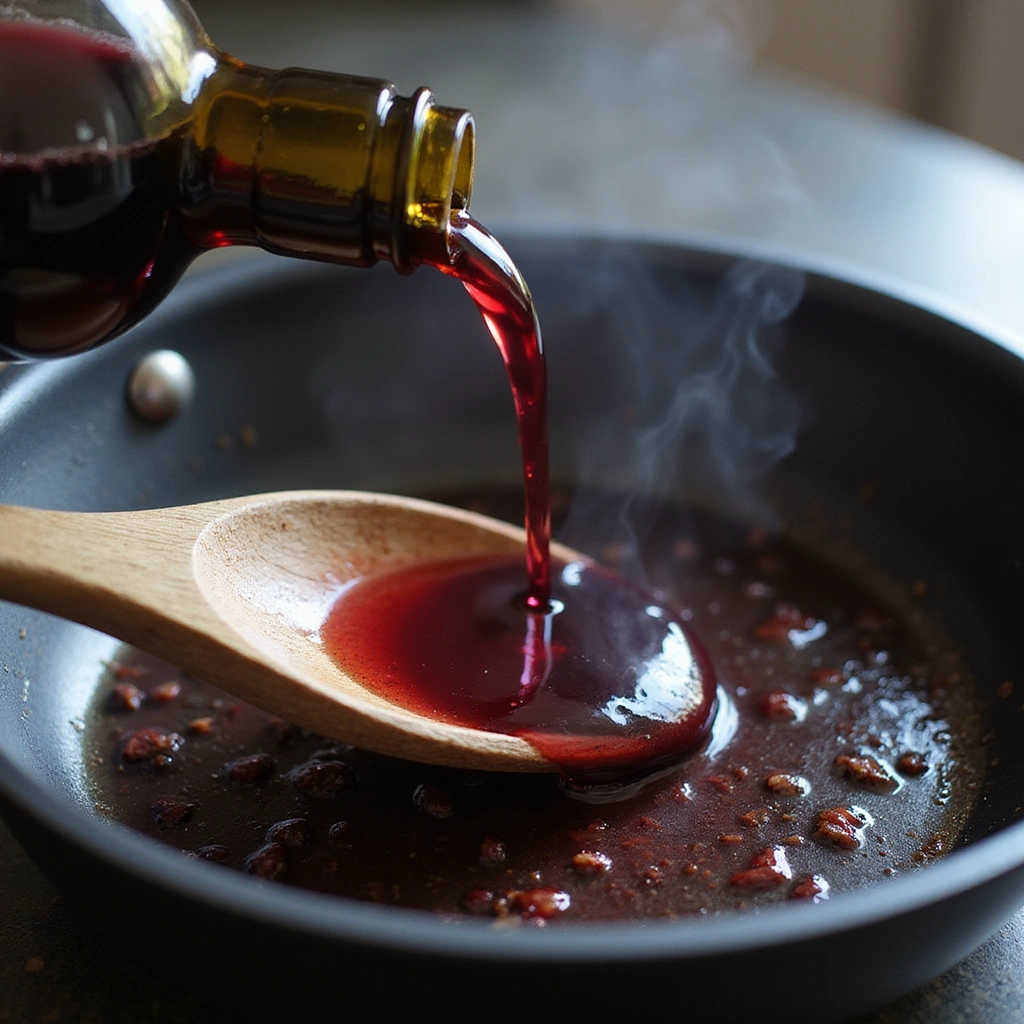
Remove the roast from the skillet and set it aside.
Pour red wine into the hot skillet, scraping up the browned bits from the bottom with a wooden spoon.
This adds depth to the sauce and enhances the overall flavor of the dish.
Allow the wine to simmer for about 2 minutes to cook off the alcohol.
Step 4: Layer Vegetables in the Crock Pot
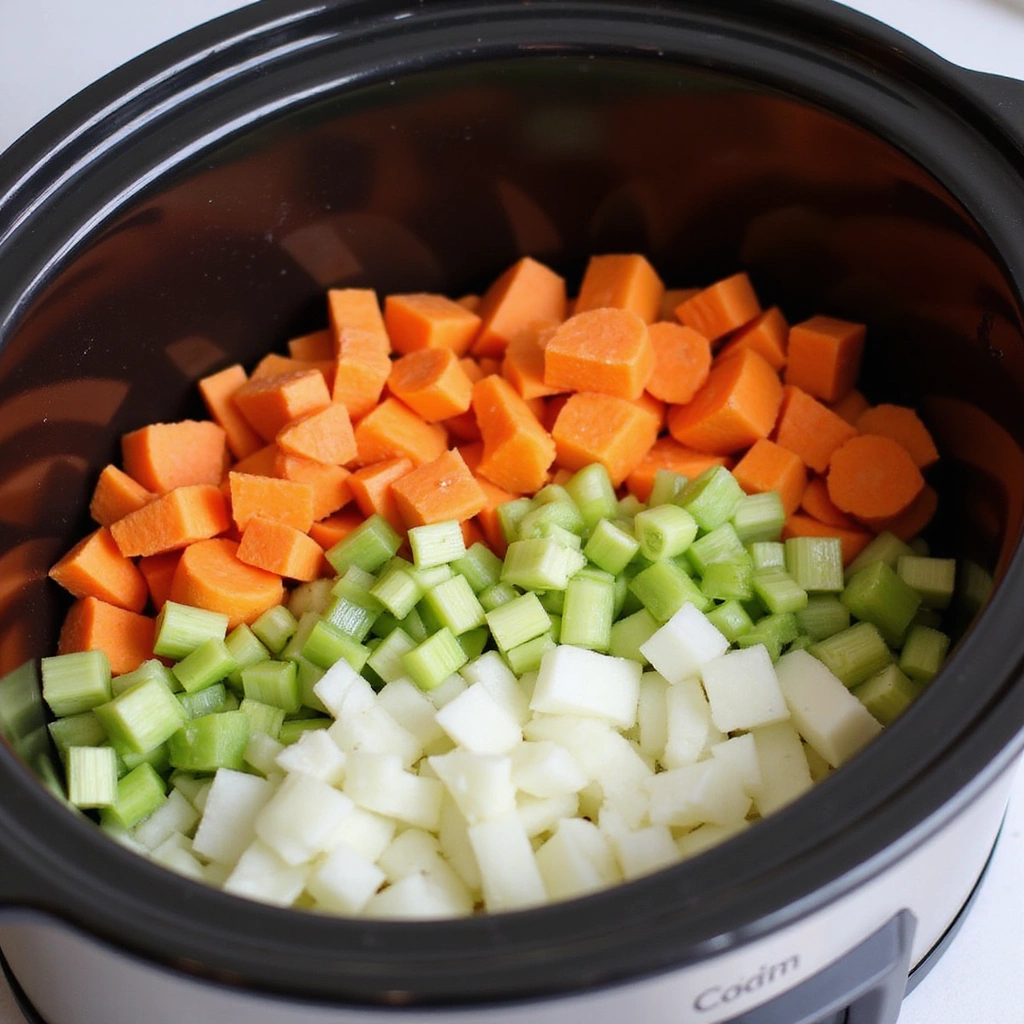
Place the chopped carrots, celery, and onion at the bottom of the crock pot.
Layering these vegetables first helps them cook evenly and absorb the flavors of the roast.
Spread them out to create a bed for the beef.
Ensure the vegetables are in a single layer for optimal cooking.
Step 5: Add the Roast
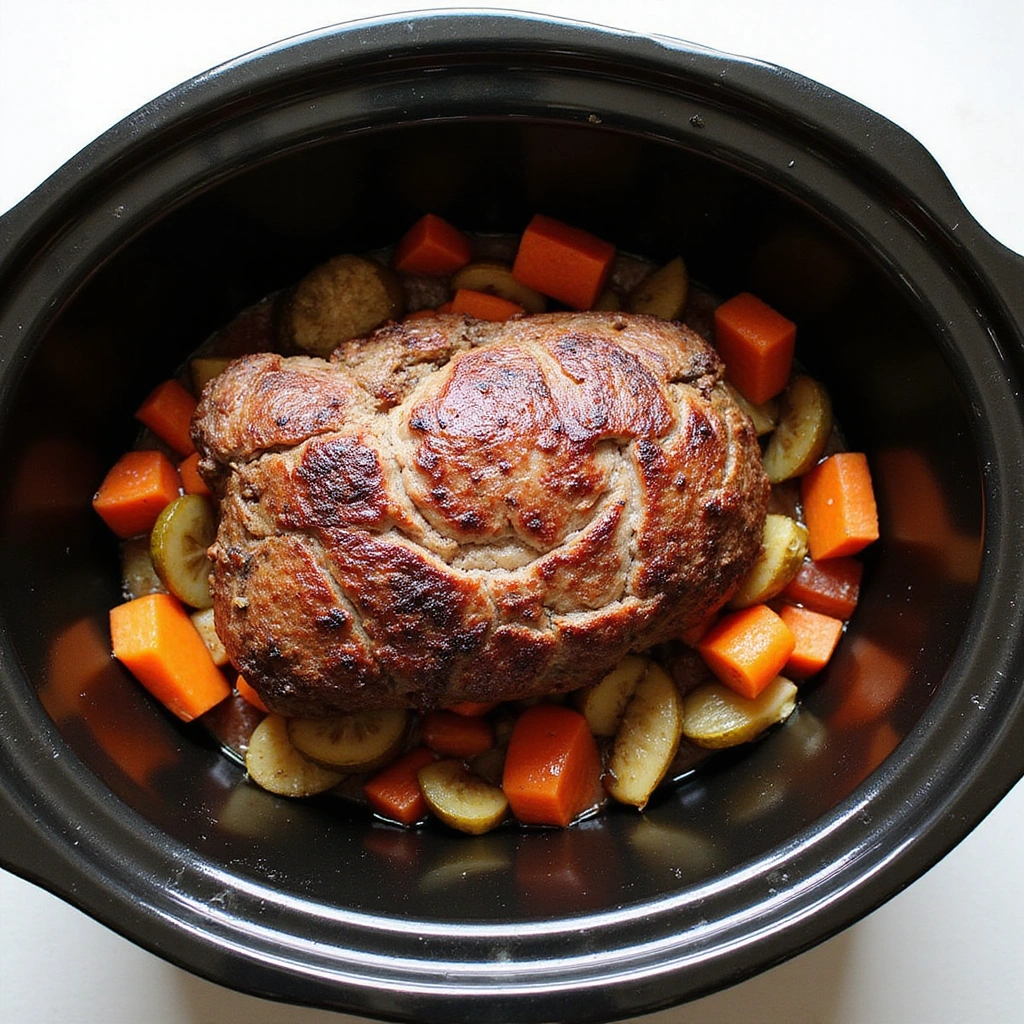
Carefully place the seared beef roast on top of the vegetables in the crock pot.
This allows the juices from the roast to drip down and flavor the vegetables as they cook.
Make sure the roast fits comfortably without overflowing.
Position it in the center for even cooking and heat distribution.
Step 6: Season the Roast
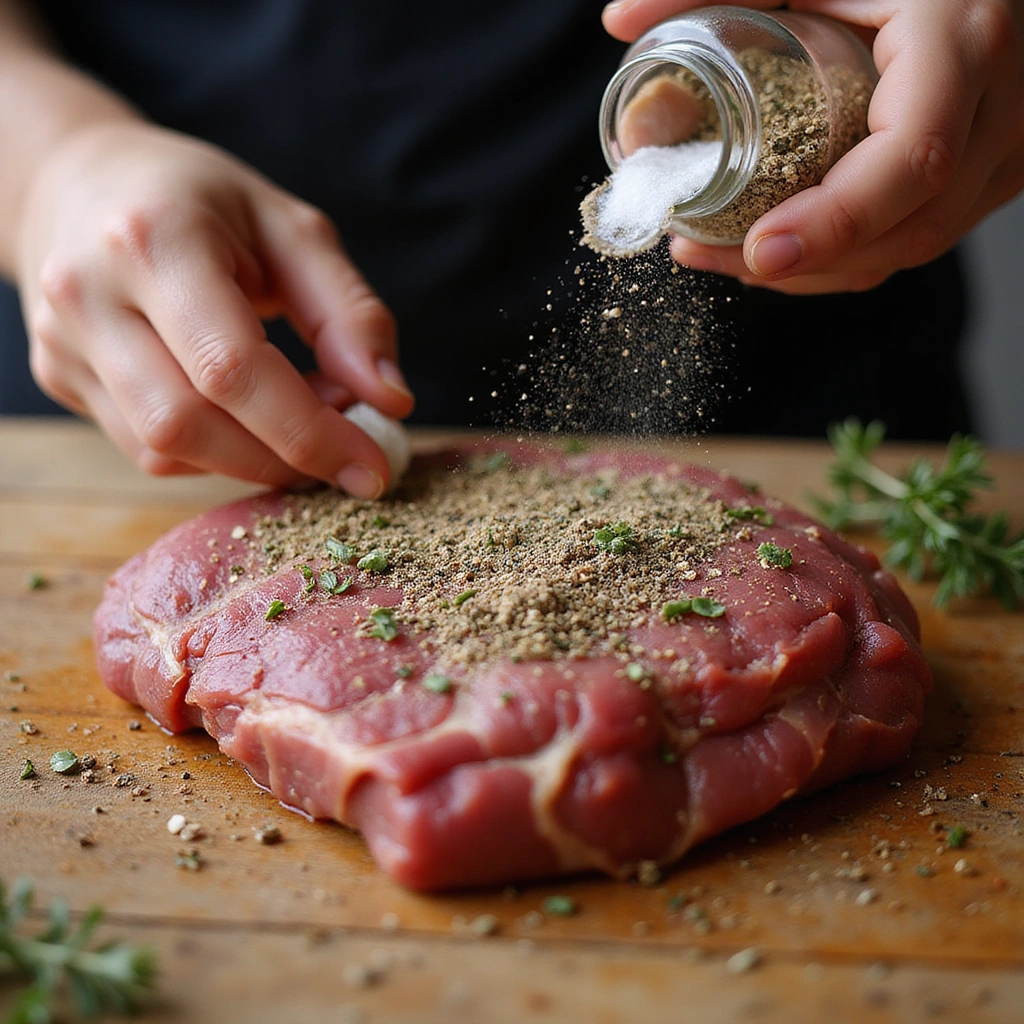
Sprinkle salt, pepper, and thyme evenly over the roast.
Use your hands to rub the seasonings in gently, ensuring even coverage.
This step is crucial for flavor penetration during cooking.
Take care not to oversalt, as the broth will also add saltiness.
Step 7: Pour in the Liquid
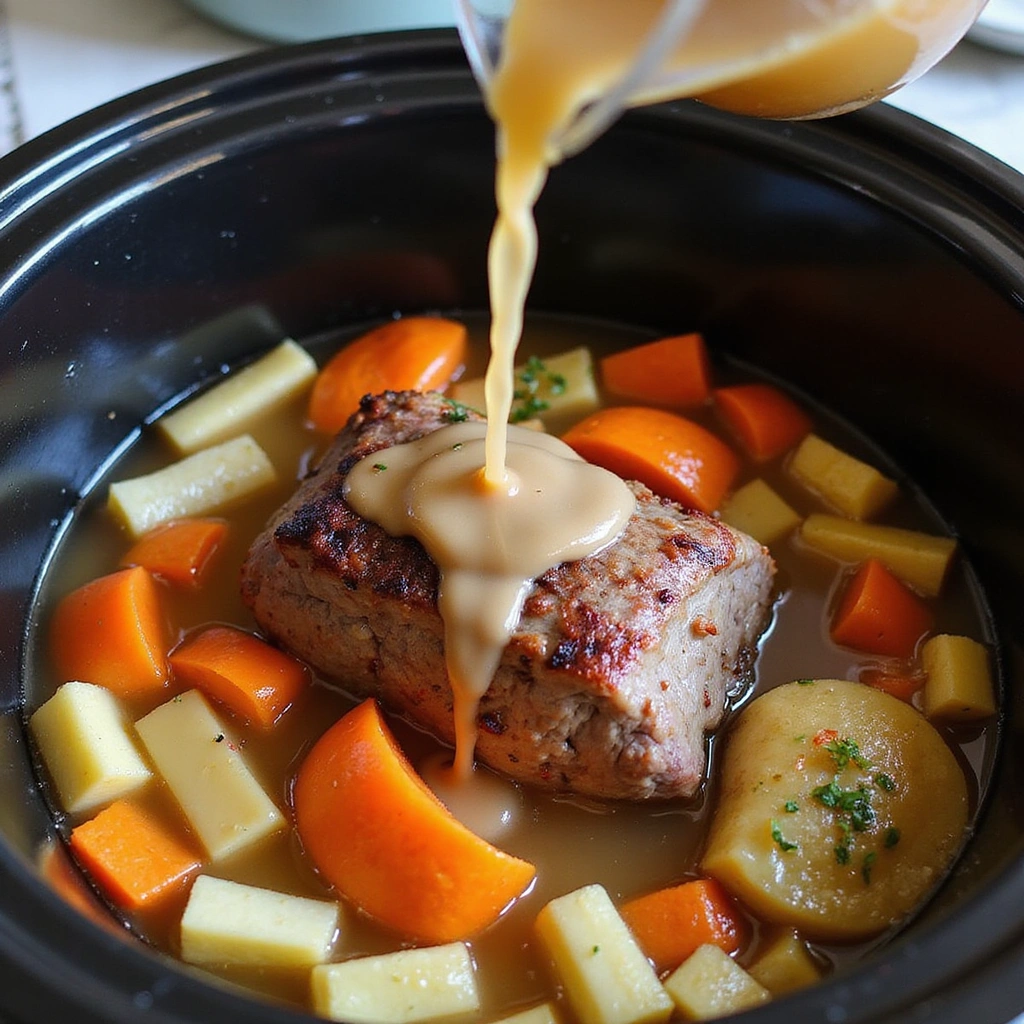
Pour the beef broth and the deglazed wine mixture over the roast and vegetables in the crock pot.
This liquid will create a moist cooking environment and enhance the flavor.
Make sure the liquid covers the vegetables but does not completely submerge the roast.
This allows for proper slow cooking and flavor melding.
Step 8: Set the Crock Pot
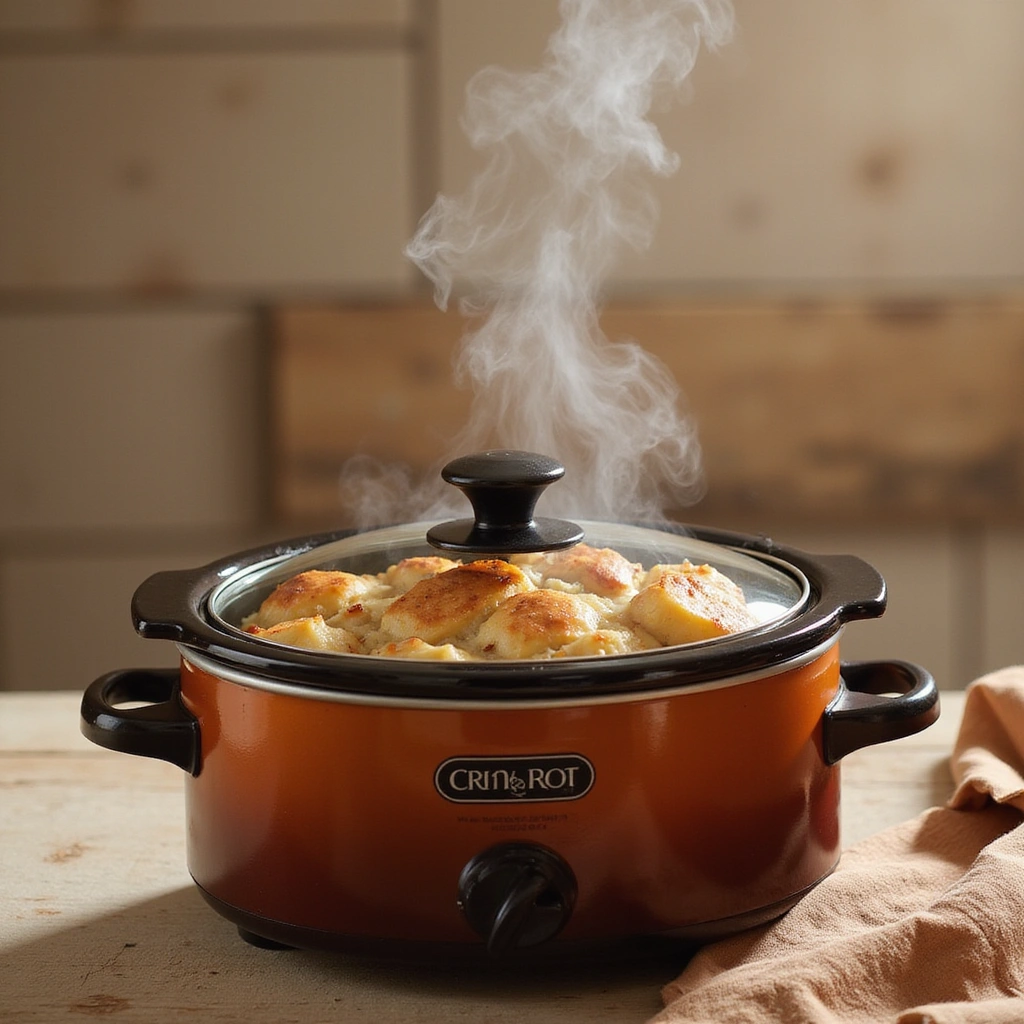
Cover the crock pot with its lid and set it to low heat.
Cook for 8 hours, allowing the flavors to meld and the meat to become tender.
Check the lid seal to ensure steam does not escape, which can affect cooking time.
Avoid opening the lid too often, as this can release heat and extend cooking time.
Step 9: Check for Doneness
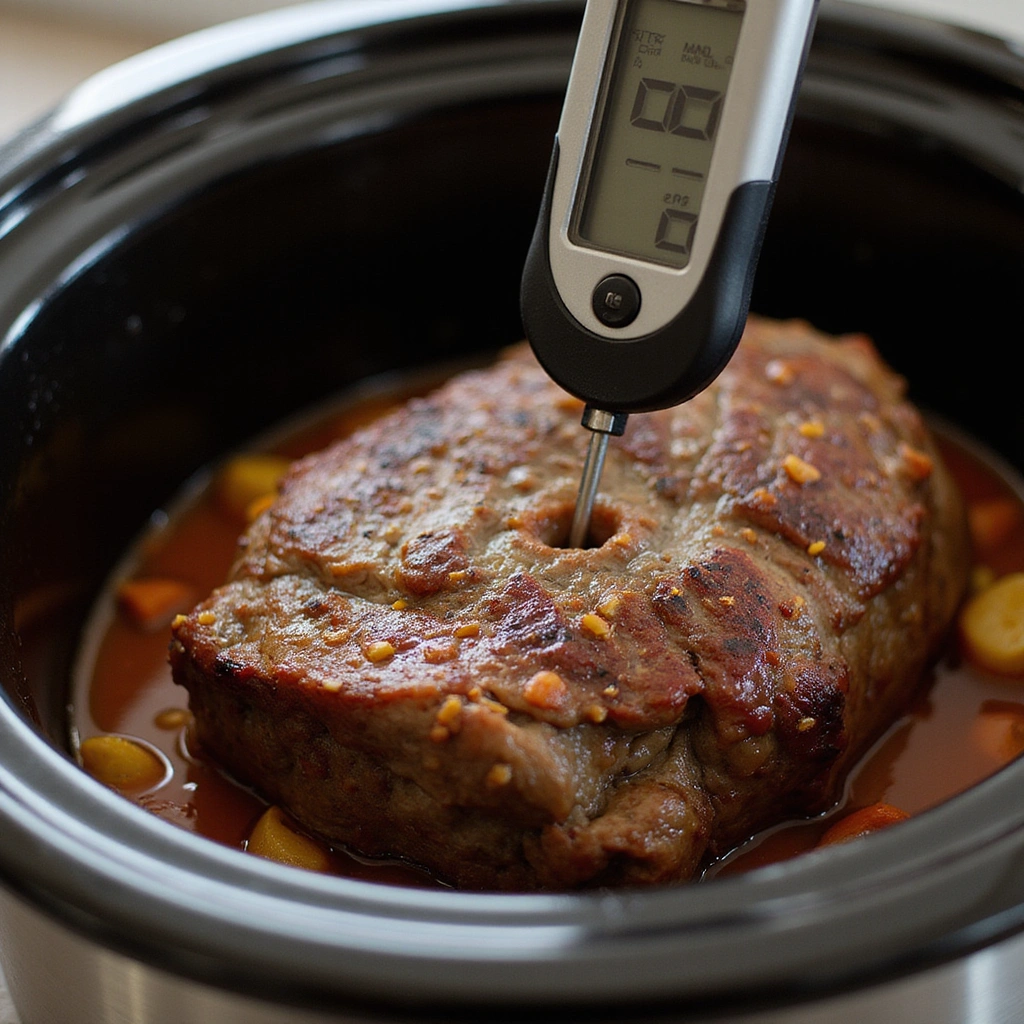
After 8 hours, carefully remove the lid and check the internal temperature of the roast.
It should be at least 145°F for medium-rare, but longer cooking yields more tender meat.
Use a meat thermometer inserted into the thickest part for an accurate reading.
Look for the meat to shred easily with a fork; this indicates it’s done.
Step 10: Rest and Serve
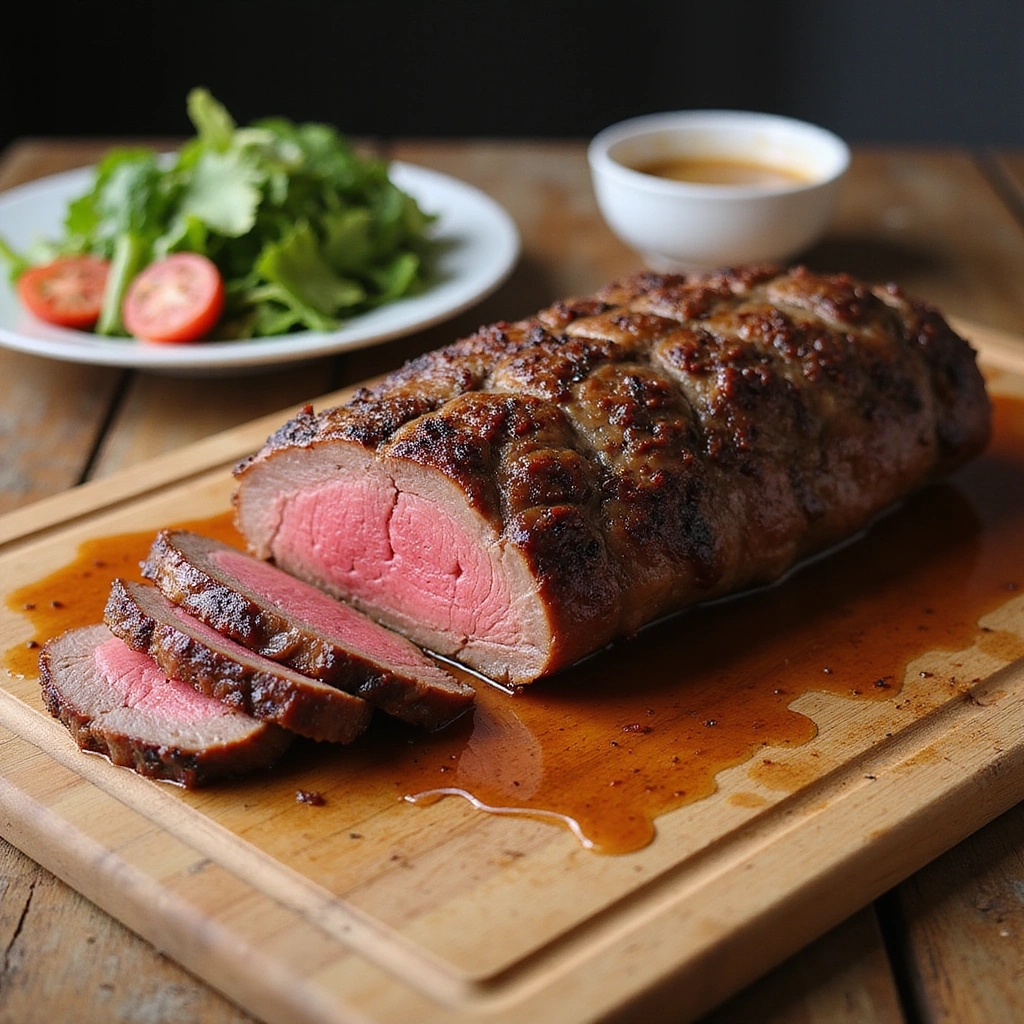
Once cooked, carefully transfer the roast to a cutting board and let it rest for 10-15 minutes.
This resting period allows the juices to redistribute, making the meat more succulent.
Slice the roast against the grain for optimal tenderness.
Serve with the cooked vegetables and spoon the cooking liquid over the top for added flavor.
Critical Timing and Temperature Guide
Searing the Roast: Sear the roast for 3-4 minutes per side until a golden-brown crust forms. Avoid overcrowding the pan and ensure the oil is hot enough to prevent sticking.
Cooking Time: Cook the roast on low for 8 hours for optimal tenderness. If cooking on high, reduce the time to about 4-5 hours, but the texture may differ.
Resting Time: Allow the roast to rest for at least 10-15 minutes before slicing. This is crucial for retaining juices and ensuring the best flavor.
Pro Tips for Beef Rump Roast Recipes Crock Pots Comfort Classic
• Ingredient Selection: Choose a well-marbled beef roast for better flavor and tenderness, as the fat renders during cooking.
• Preparation Secret: Let the beef sit at room temperature for 30 minutes before cooking to ensure even cooking throughout.
• Temperature Management: Use a digital thermometer to accurately gauge doneness without opening the crock pot too often.
• Texture Enhancement: Slicing against the grain is vital for achieving fork-tender pieces that are easy to chew.
• Flavor Layering: Incorporate fresh herbs like rosemary or bay leaves for a more aromatic dish.
• Make-Ahead Strategies: Prepare the vegetables and season the roast the night before; store in the fridge to save time in the morning.
• Restaurant-Quality Finishing Touches: Drizzle with a balsamic reduction or garnish with fresh parsley before serving for an elegant presentation.
• Equipment Optimization: Using a non-stick skillet for searing can help achieve a good crust without sticking.
Troubleshooting Common Issues
• Meat Too Tough: This often results from undercooking or not allowing the roast to rest after cooking. Ensure the roast cooks long enough and always let it rest before slicing.
• Flavor Too Mild: If the dish lacks flavor, it may need more seasoning or stronger broth. Taste before finishing and adjust seasoning accordingly, adding salt or herbs as needed.
• Vegetables Overcooked: This can happen if they are cut too small or cooked too long. Cut vegetables into larger pieces and consider adding them halfway through the cooking time for better texture.
• Too Much Liquid: If the roast is swimming in broth, reduce the amount used next time. The natural juices from the meat contribute to the liquid, so start with less broth.
• Burnt Edges: If you notice burnt bits on the edges, ensure the heat is set correctly and that the roast is not touching the sides of the crock pot. Stir the vegetables occasionally if possible.
Variations and Regional Differences
• Italian Style: This variation incorporates Italian herbs like oregano and basil, along with tomato sauce, creating a rich, hearty dish that pays homage to Mediterranean flavors.
• Mexican Style: Adding cumin, chili powder, and diced tomatoes introduces a spicy kick, transforming the roast into a flavorful taco filling.
• Asian Inspired: A blend of soy sauce, ginger, and sesame oil can be used to create an Asian twist, perfect for serving with rice.
• Modern Interpretations: Today, many cooks experiment with alternative cooking methods, such as using an Instant Pot for quicker results while maintaining flavor.
Food Science Behind the Recipe
• Maillard Reaction: This chemical reaction occurs when the meat is seared, leading to browning and the development of complex flavors that enhance the overall taste of the dish.
• Collagen Breakdown: Slow cooking allows the collagen in tougher cuts of meat to break down, resulting in a tender texture that melts in your mouth.
• Flavor Infusion: The prolonged cooking time allows flavors from the broth and seasonings to deeply penetrate the meat, enriching each bite with a savory taste.
Frequently Asked Questions
What’s the most common mistake people make when preparing Beef Rump Roast? Not allowing the roast to rest before slicing is a common mistake, leading to dry meat. Always let it rest for at least 10-15 minutes after cooking.
Can I prepare components of this dish in advance? Yes, you can chop vegetables and season the roast the night before. Store them in the fridge for up to 24 hours before cooking.
How do I adapt this recipe for dietary restrictions? For gluten-free diets, ensure the broth is gluten-free. You can also substitute red wine with extra broth or a vinegar-based solution.
What’s the best way to store and reheat leftovers? Store leftovers in an airtight container in the fridge for up to 4 days. Reheat in the microwave or on the stovetop until heated through, adding a splash of broth to retain moisture.
Can I freeze this dish? Yes, freeze the cooked roast and vegetables in a freezer-safe container for up to 3 months. Thaw in the refrigerator overnight before reheating.
What wine or beverages pair best with this dish? A full-bodied red wine, such as Cabernet Sauvignon or Merlot, complements the rich flavors of the roast beautifully.
How can I scale this recipe up for a crowd? Simply multiply the ingredients accordingly, but ensure your crock pot can accommodate the larger volume. Adjust cooking times as necessary based on the size of the roast.
What side dishes complement this recipe best? Mashed potatoes, roasted Brussels sprouts, or a crisp green salad are excellent pairings that enhance the meal.
How do professional chefs elevate this dish for restaurant service? They often use high-quality, locally sourced ingredients and add creative garnishes or sauces to enhance presentation and taste.
Serving and Presentation Guide
• Traditional Presentation: Serve the beef on a large platter with vegetables arranged around it, garnished with fresh herbs for color.
• Modern Plating Ideas: Slice the roast and arrange it artfully on individual plates, drizzling with sauce and adding a sprinkle of microgreens for a contemporary touch.
• Accompaniment Suggestions: Pair with creamy mashed potatoes or a fresh garden salad to balance the richness of the roast.
• Special Occasion Presentation: For celebrations, consider using a large wooden board for a rustic display and serve with artisan bread and a selection of mustards.
Conclusion
I hope you find joy in preparing this Beef Rump Roast in a Crock Pot, a dish that brings warmth to any table.
The blend of flavors and the ease of preparation make it a must-try for all home cooks.
Embrace the comfort of this classic recipe and share it with loved ones for a memorable meal.