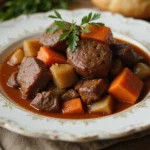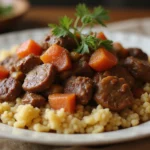
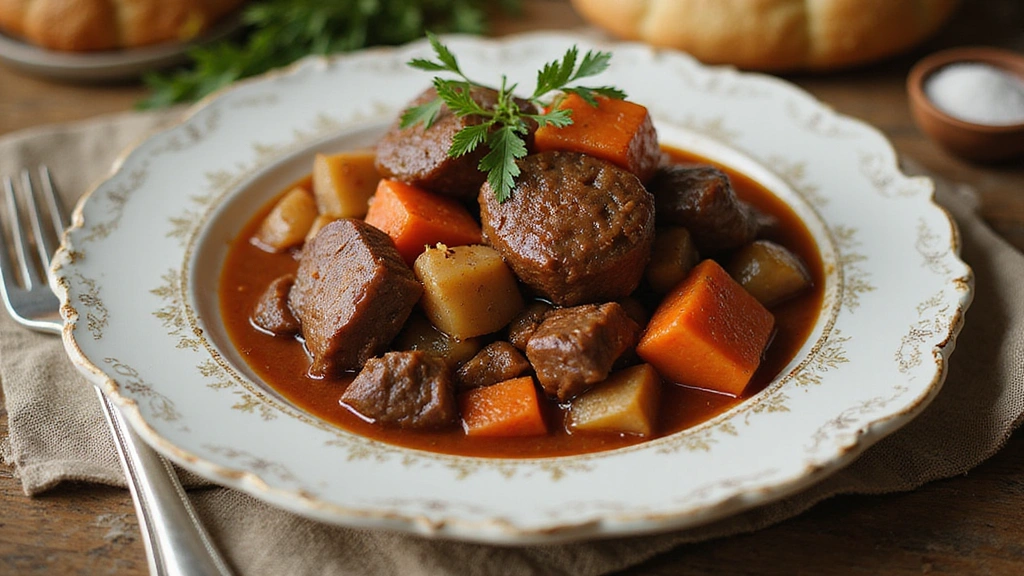
Dutch Oven Beef Stew is a heartwarming dish that evokes memories of family gatherings and cozy evenings at home.
The tender beef, rich broth, and vibrant vegetables create a symphony of flavors that warm the soul.
I first learned to make this stew while visiting my grandmother, who passed down her secrets for perfecting this classic recipe.
Whether enjoyed on a chilly winter night or served at a festive gathering, this beef stew is a timeless comfort food that brings everyone together.
The History and Cultural Significance
• Dutch Oven Beef Stew has its origins in Europe, particularly in the Netherlands, where it was crafted by rural communities using simple, accessible ingredients.
• Over the years, the recipe has evolved, incorporating local variations and adapting to seasonal availability, eventually becoming a staple in many households.
• In many cultures, this stew is often served at family gatherings and celebrations, symbolizing warmth, comfort, and the joy of sharing a meal.
• While numerous interpretations exist worldwide, the authentic Dutch oven version is cherished for its deep flavors and comforting consistency.
Recipe Overview
Nutritional Information (per serving)
Ingredients
Essential Equipment Guide
Dutch Oven: This heavy pot is crucial for creating an even cooking environment, allowing the beef to brown properly and simmer gently. Look for one made of cast iron for optimal heat retention.
Cutting Board: A sturdy cutting board is essential for safely chopping vegetables and meat. Choose one that is easy to clean and large enough to accommodate all your prep work.
Wooden Spoon: A durable wooden spoon is perfect for stirring the ingredients without scratching your Dutch oven. Opt for one with a long handle to keep your hands safe from heat.
Preparation Methods
Browning the Meat: This step is crucial for developing deep flavors in your stew. Searing the beef in batches ensures that each piece gets a nice crust, which adds complexity to the final dish. Make sure the Dutch oven is hot enough before adding the meat to avoid steaming.
Deglazing: After browning the meat, deglazing the pot with red wine helps lift all the flavorful browned bits stuck to the bottom. This technique enhances the broth’s flavor and adds richness. Scrape the bottom of the pot with a wooden spoon to fully incorporate those flavors.
Simmering: Allowing the stew to simmer gently for a couple of hours helps break down the tough meat fibers, resulting in tender, melt-in-your-mouth beef. Keep the heat low and covered to maintain moisture and enhance flavor absorption.
Step 1: Prepare Ingredients
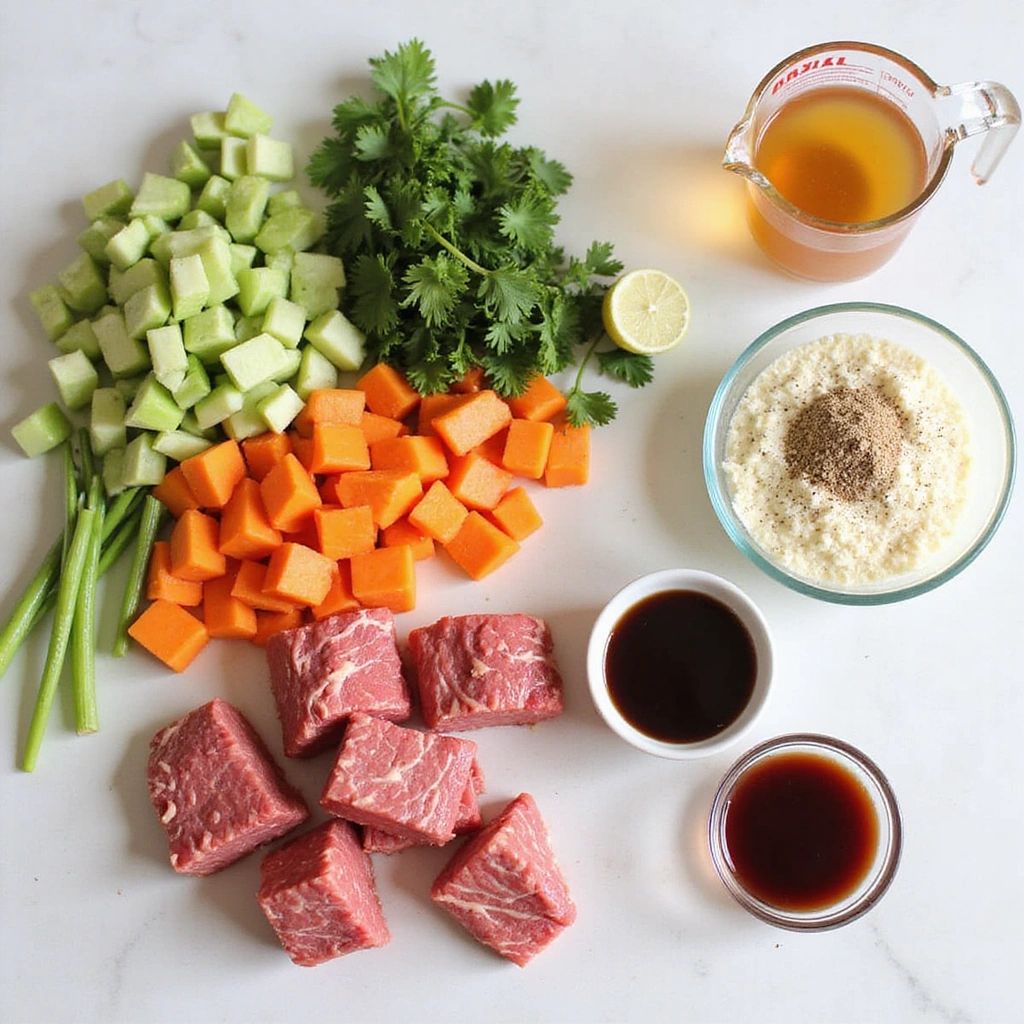
Start by gathering all your ingredients on a clean workspace.
This ensures you have everything at hand when you begin cooking.
Chop the vegetables and season the beef as per the ingredient list.
Having everything prepped will make the cooking process smoother.
Step 2: Brown the Beef
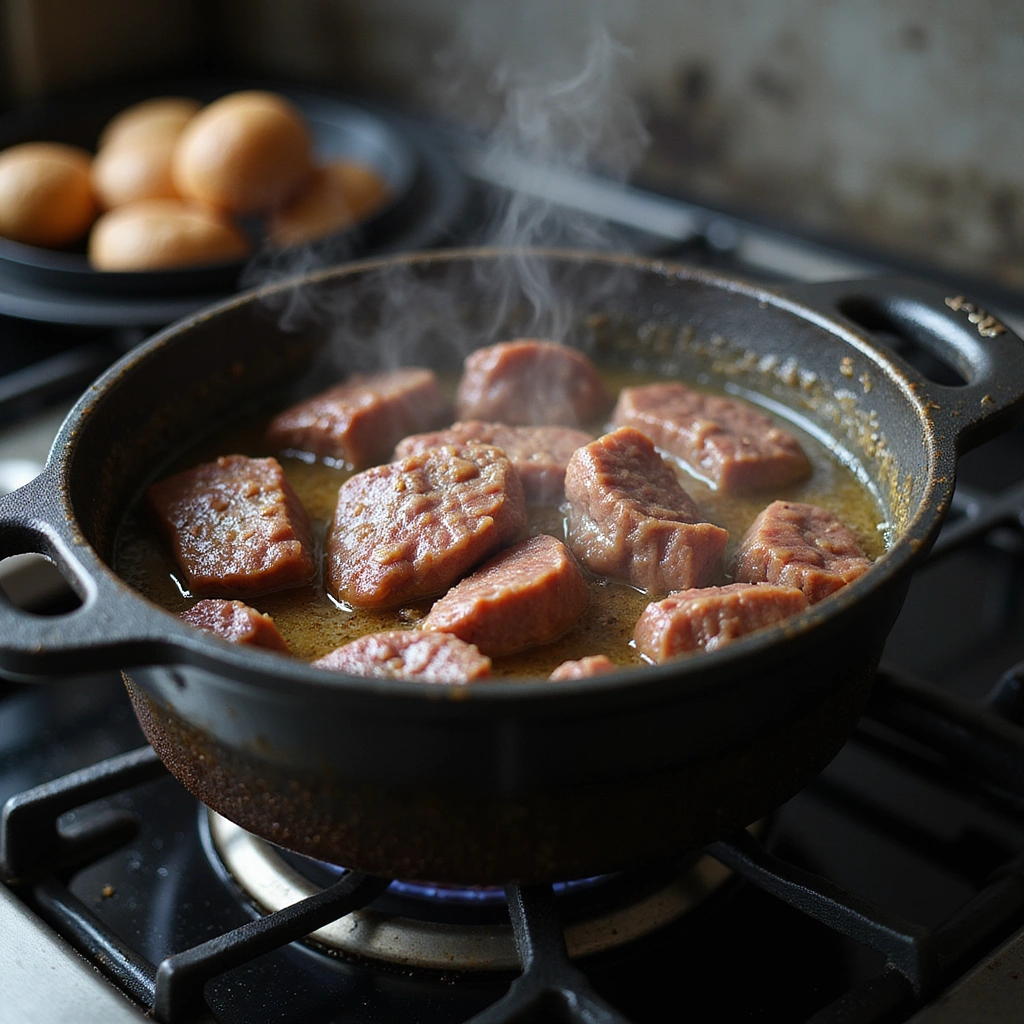
Heat your Dutch oven over medium-high heat and add a splash of oil.
Once the oil is shimmering, add the beef cubes in batches to avoid overcrowding.
Sear the beef until browned on all sides, about 3-4 minutes per side.
Transfer the browned beef to a plate and set aside to keep warm.
Step 3: Sauté the Vegetables
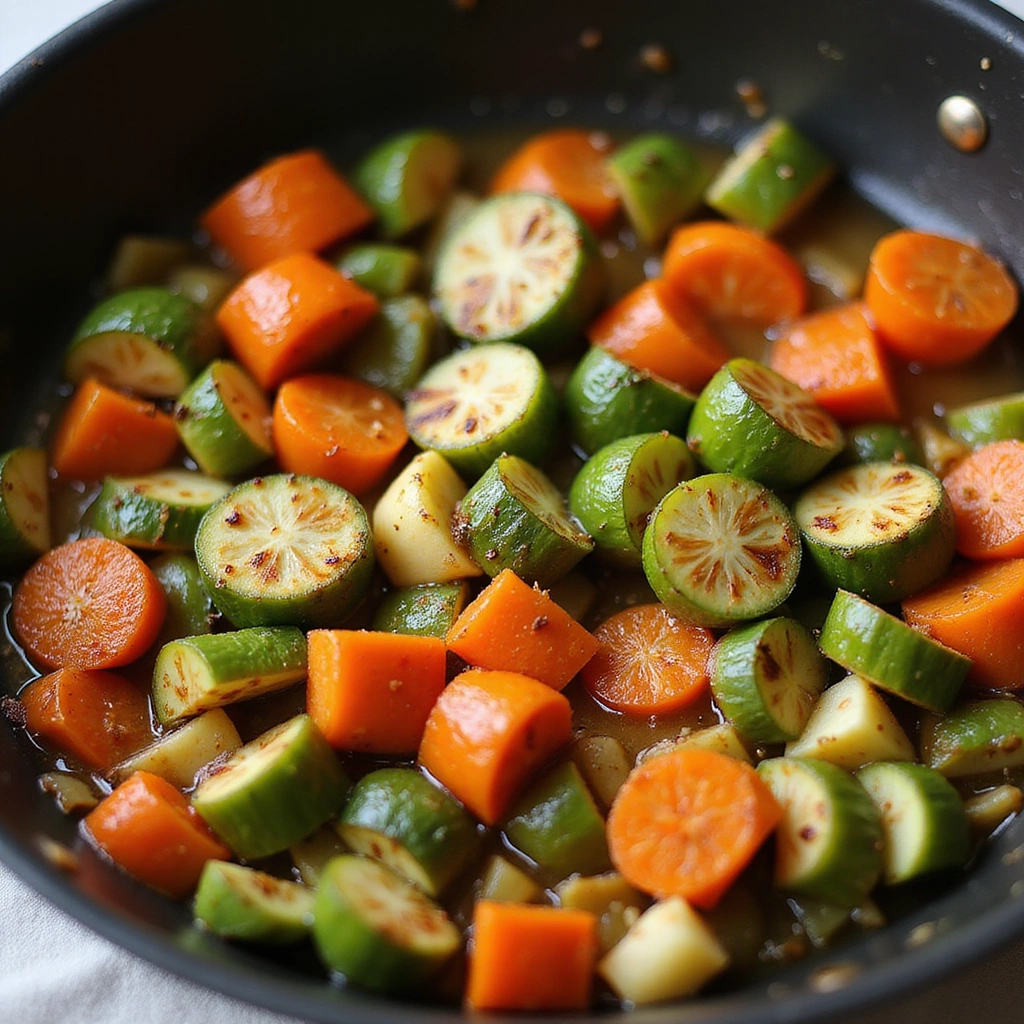
In the same Dutch oven, add the chopped onions, carrots, and celery.
Sauté for about 5-7 minutes until the vegetables are softened and the onions are translucent.
This step builds the aromatic base for your stew.
Stir occasionally to prevent sticking and ensure even cooking.
Step 4: Add Garlic and Seasonings
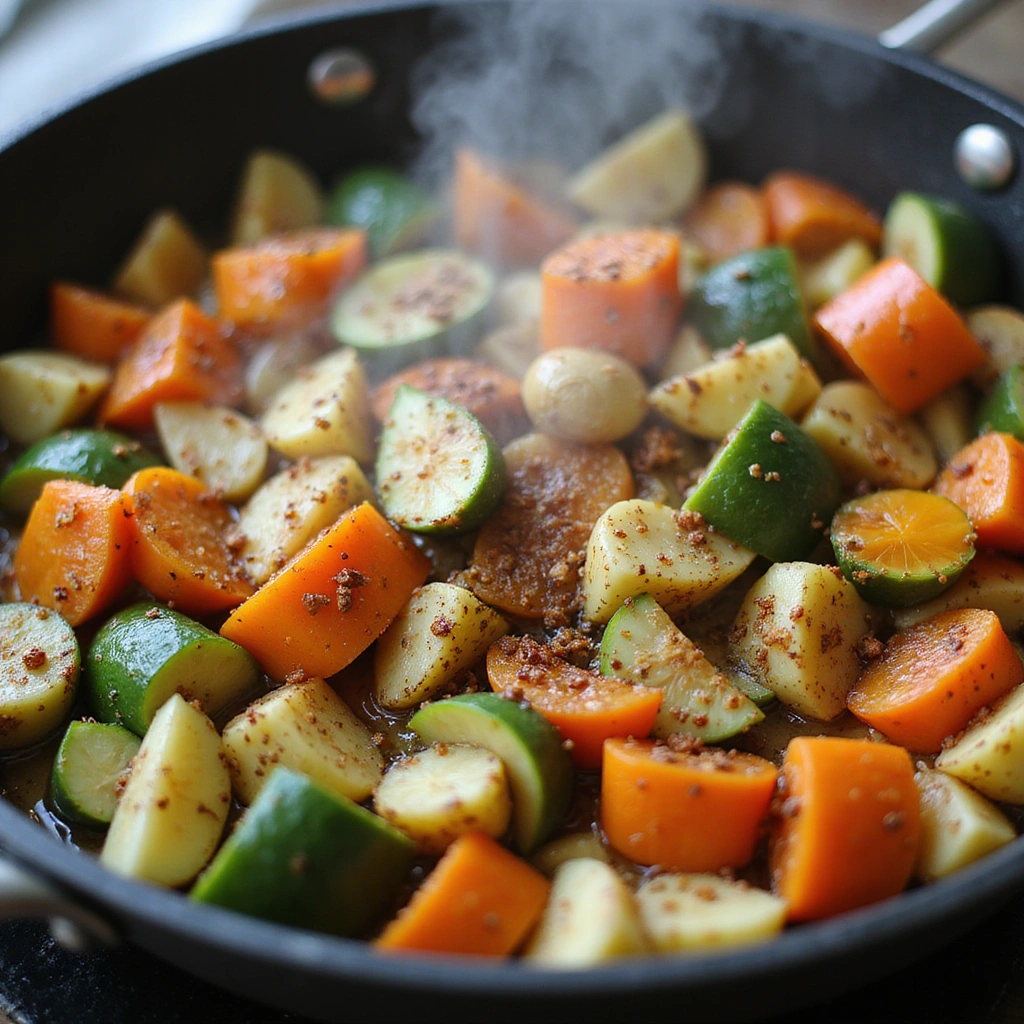
Stir in the minced garlic and cook for an additional minute until fragrant.
Then, add the thyme, paprika, and bay leaf for flavor.
Make sure to stir well to coat the vegetables with the spices.
This will enhance the overall taste of your stew.
Step 5: Deglaze the Pot
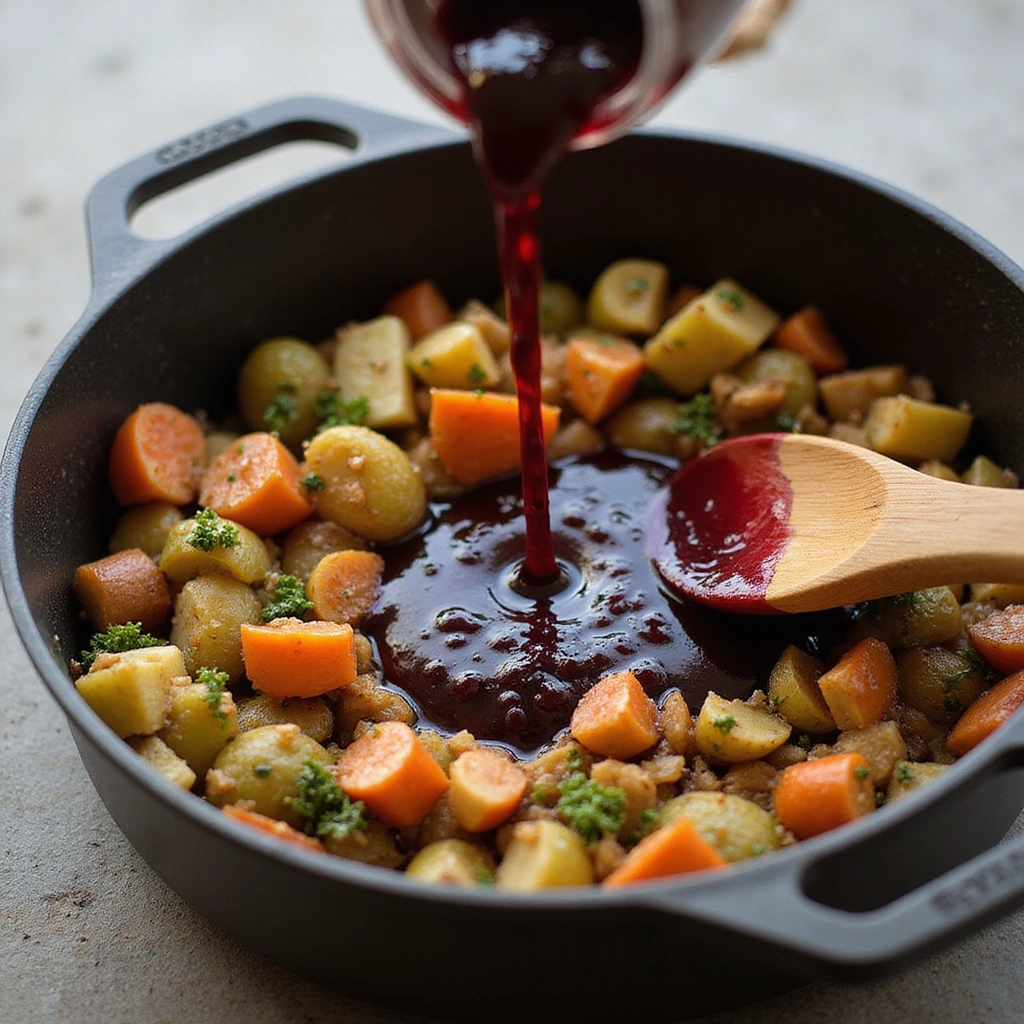
Pour in the red wine and use a wooden spoon to scrape up the browned bits from the bottom of the pot.
This step is essential for incorporating all the flavors into the broth.
Let the wine simmer for a couple of minutes to reduce slightly.
You want to cook off some alcohol while keeping the rich flavors.
Step 6: Add the Broth and Tomato Paste
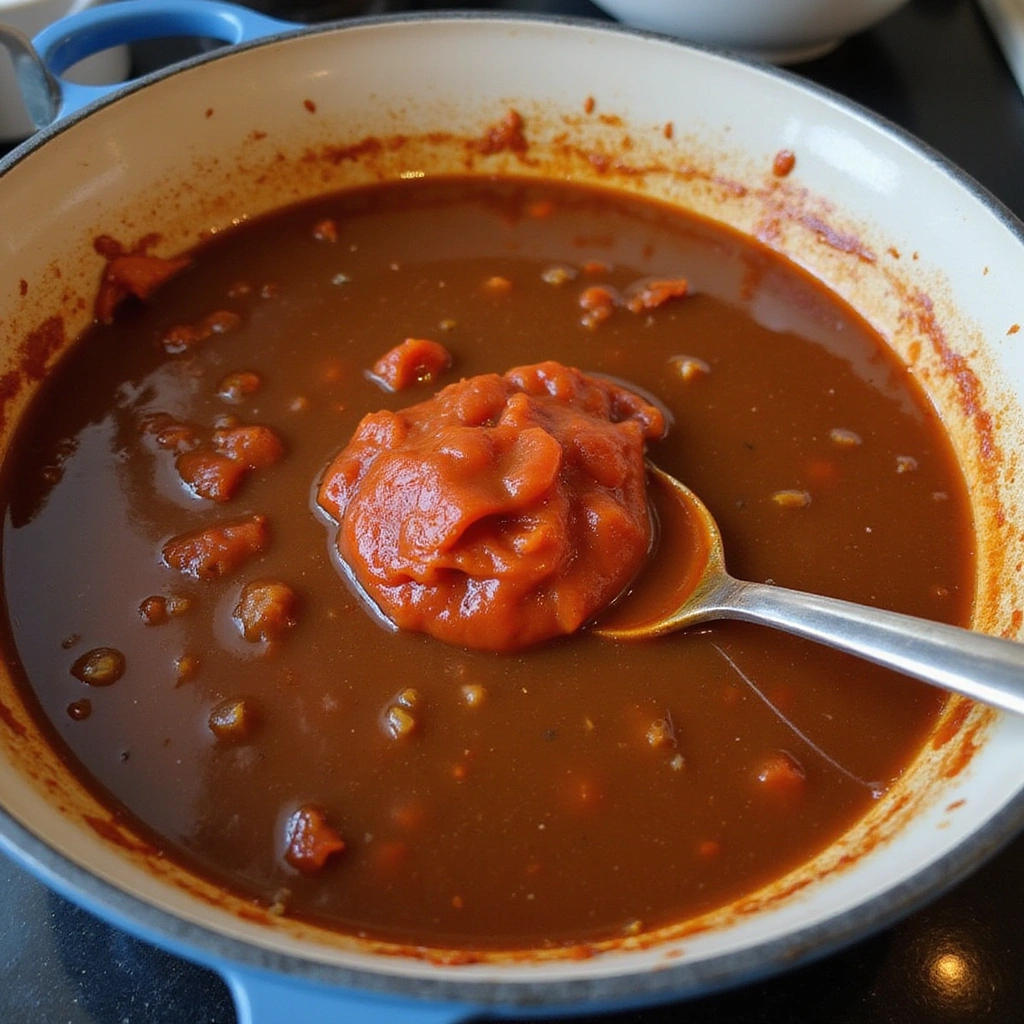
Stir in the beef broth and tomato paste, mixing well to combine.
This forms the base of your stew, adding richness and depth.
Make sure the tomato paste is fully dissolved in the liquid.
Bring the mixture to a gentle simmer before adding the beef back in.
Step 7: Return the Beef to the Pot
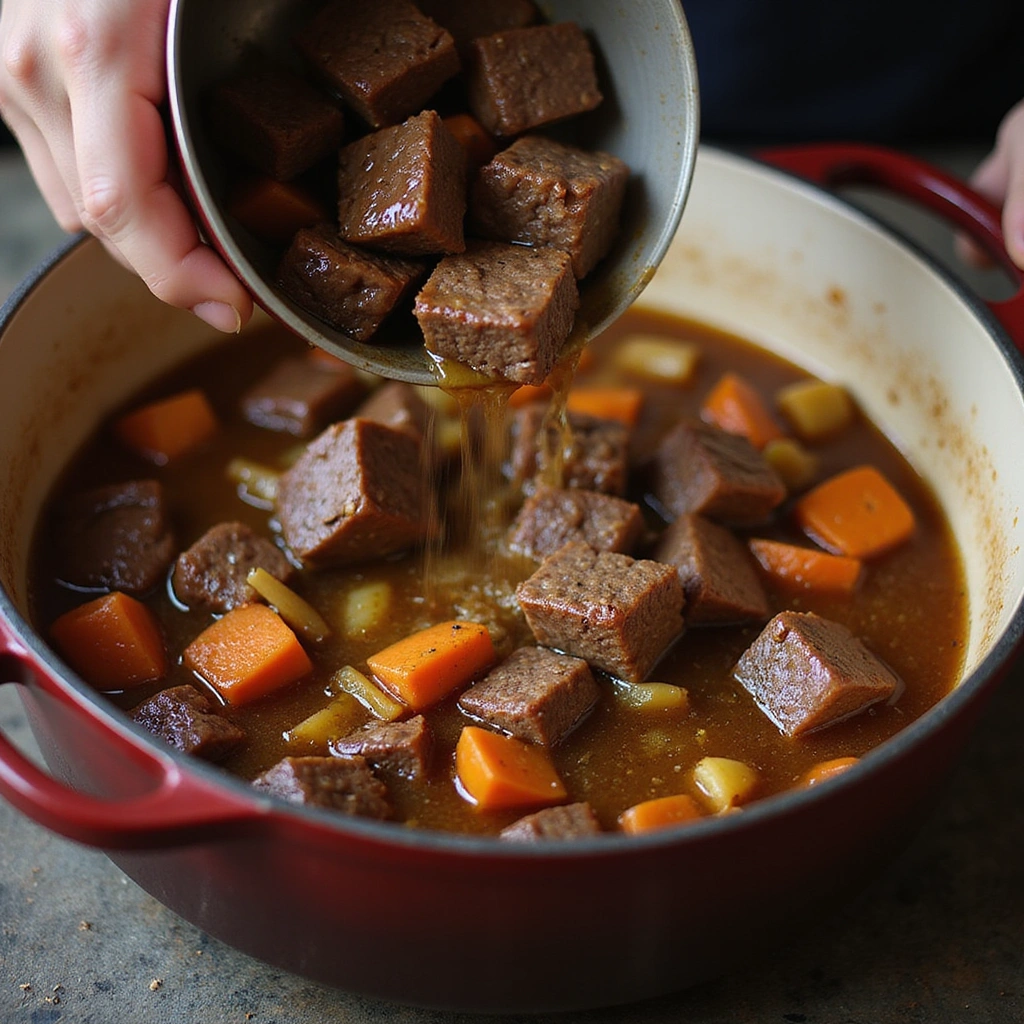
Add the browned beef back into the Dutch oven, along with any juices from the plate.
Stir to ensure the beef is submerged in the broth for even cooking.
This allows the meat to absorb all the flavors as it cooks.
Bring to a simmer and reduce the heat to low.
Step 8: Simmer the Stew
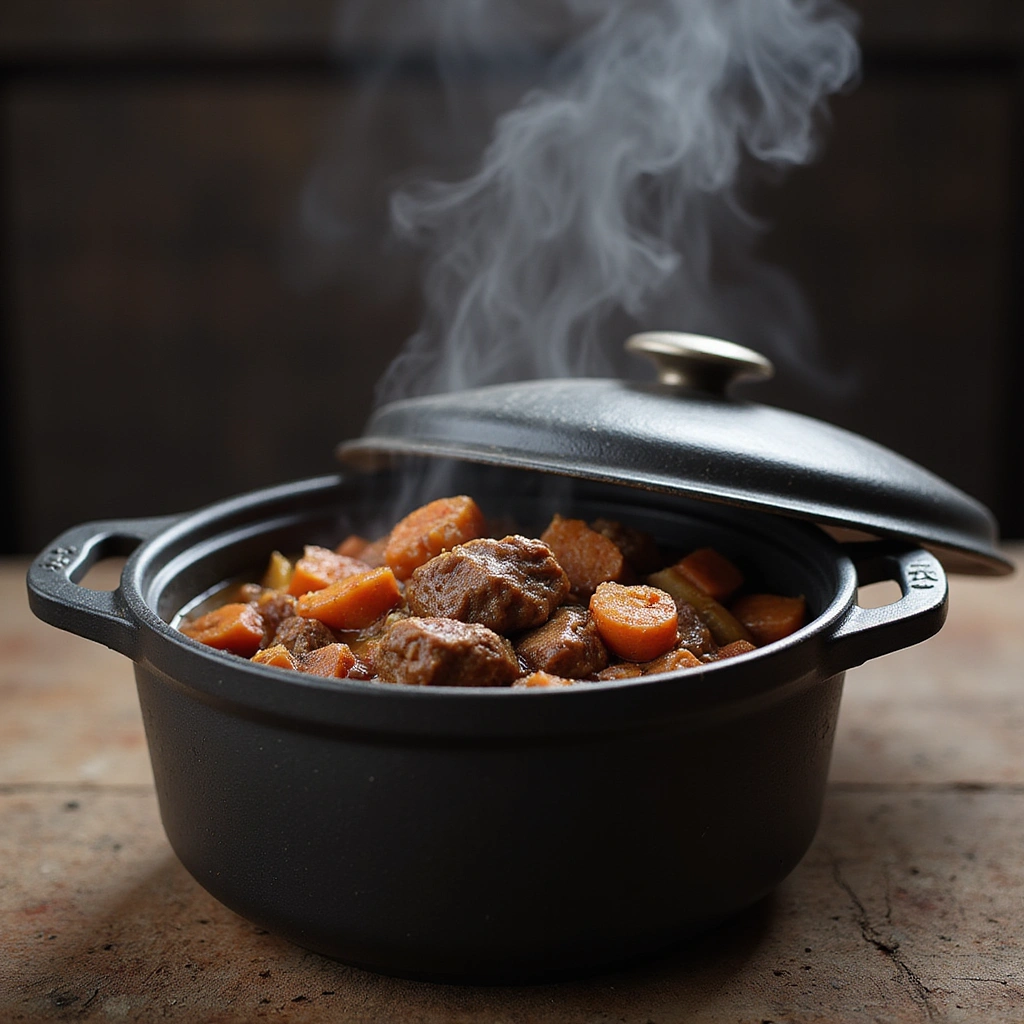
Cover the Dutch oven and let the stew simmer for 1.5 to 2 hours.
Check occasionally, giving it a gentle stir to prevent sticking.
The stew is ready when the beef is fork-tender and the flavors meld beautifully.
Make sure to taste and adjust seasoning if necessary.
Step 9: Final Adjustments
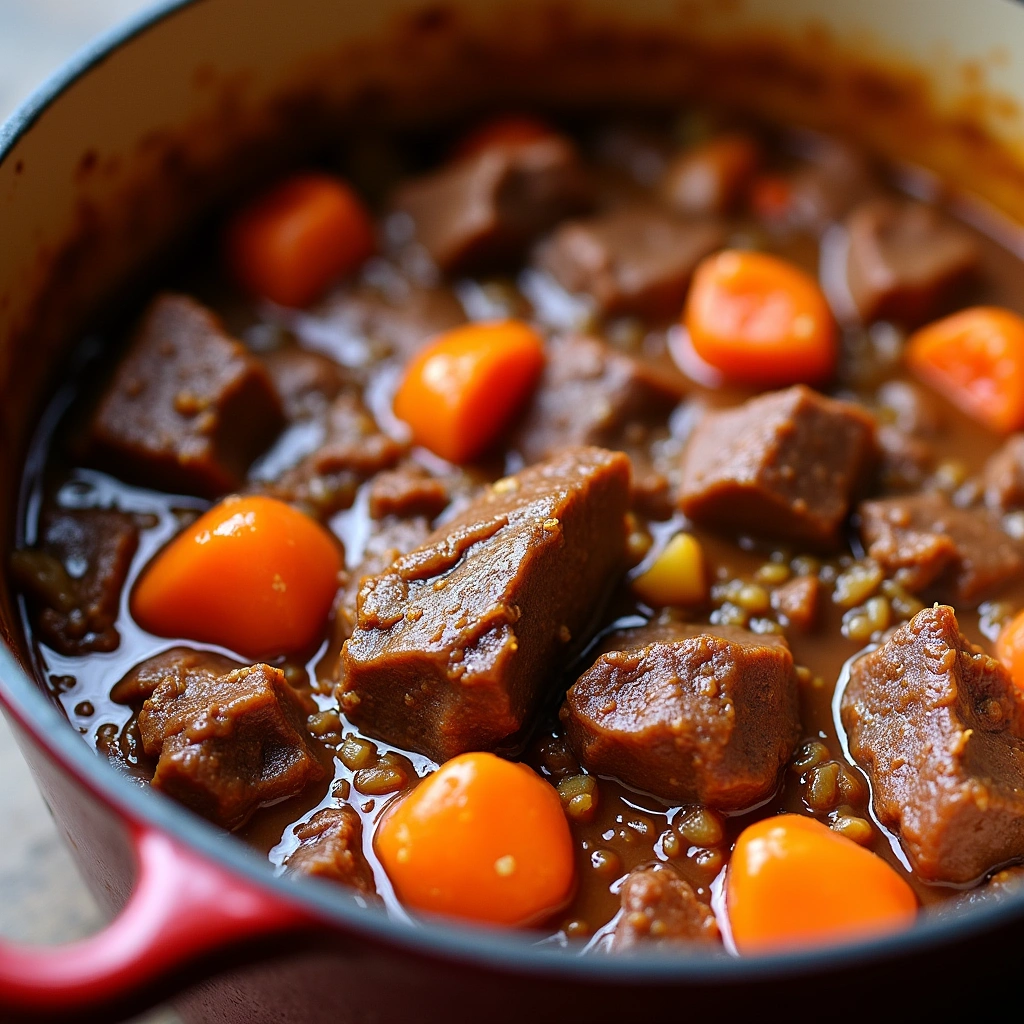
Before serving, remove the bay leaf and check the stew’s consistency.
If it’s too thick, add a splash of broth; if too thin, let it simmer uncovered for a few minutes.
Taste and adjust seasoning with salt and pepper as needed.
This final touch ensures the stew is perfectly balanced.
Step 10: Serve and Garnish
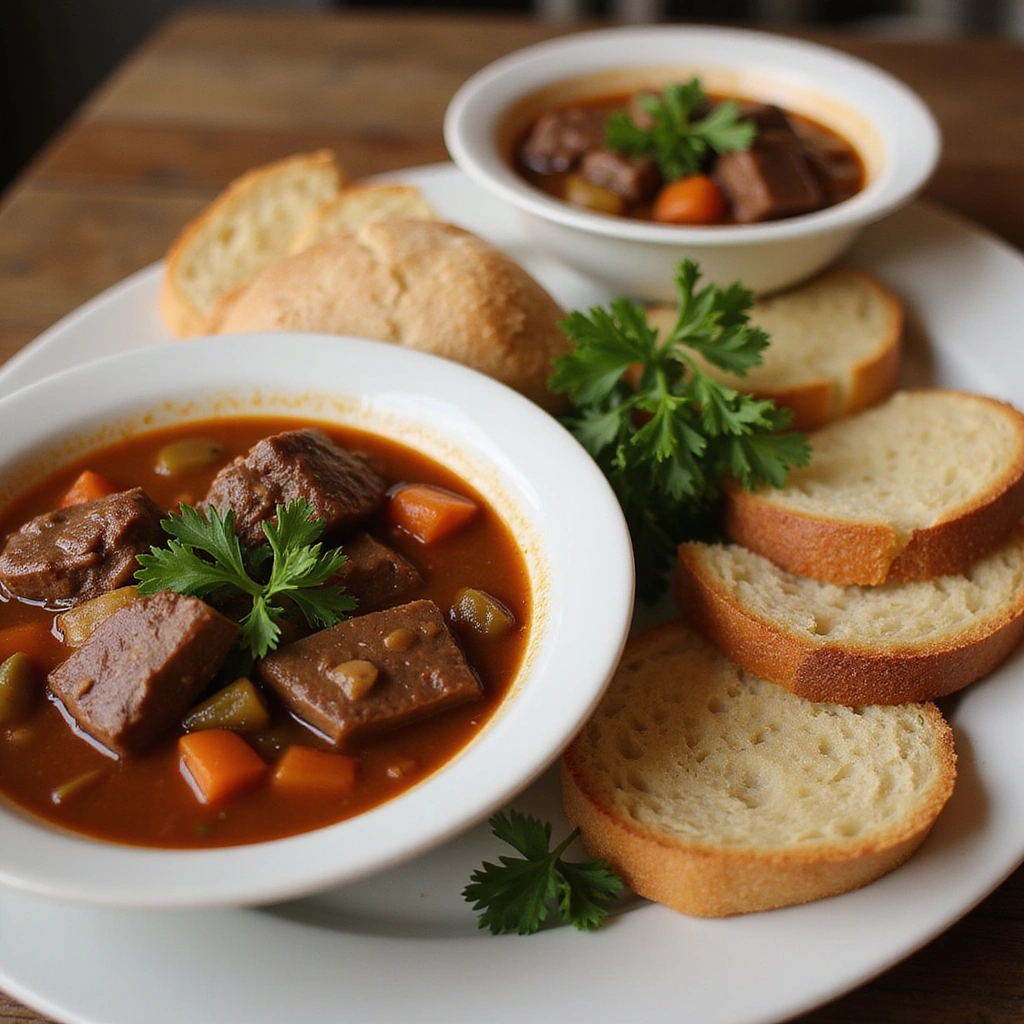
Ladle the stew into bowls and garnish with freshly chopped parsley.
This adds a pop of color and a hint of freshness.
Serve with crusty bread or over creamy mashed potatoes for a complete meal.
Enjoy the flavors and warmth of this comforting dish.
Critical Timing and Temperature Guide
Browning the Meat: Aim for a medium-high heat and brown the beef for 3-4 minutes per side. Look for a deep golden crust; avoid overcrowding the pan to ensure proper browning.
Simmering: Keep the heat low and let the stew simmer for 1.5 to 2 hours. The meat should be fork-tender and the broth rich and flavorful. Avoid boiling, as it can toughen the meat.
Tasting and Adjusting: Always taste your stew before serving. Adjust seasoning with salt, pepper, and herbs as needed for the best flavor.
Pro Tips for Dutch Oven Beef Stew Recipes Classic Homemade Comfort
• Ingredient Selection: Choose high-quality chuck roast for the best flavor and tenderness. Fresh, seasonal vegetables will enhance the dish.
• Preparation Secret: Sear the beef in batches to ensure even browning and maximum flavor. Don’t rush this step!
• Temperature Management: Use a cast iron Dutch oven for optimal heat retention and distribution. This helps achieve a perfect simmer.
• Texture Enhancement: Allowing the stew to sit for a few hours or overnight improves the flavors and texture.
• Flavor Layering: Build flavors by sautéing vegetables first and deglazing with wine. Each step adds depth.
• Make-Ahead Strategies: Prepare the stew a day in advance; flavors deepen overnight. Store in the fridge and reheat gently.
• Restaurant-Quality Finishing Touches: Garnish with fresh herbs and serve with artisan bread for an elevated presentation.
• Equipment Optimization: Use a heavy-bottomed pot to prevent scorching and ensure even cooking.
Troubleshooting Common Issues
• Texture Too Dense: If the stew is too thick, add more broth or water gradually while simmering. Stir well and allow it to simmer for a few minutes to blend in.
• Flavors Unbalanced: If the stew lacks flavor, consider adding more herbs or a splash of vinegar for brightness. Taste and adjust as needed.
• Meat Toughness: If the beef is tough, it may not have cooked long enough. Simmer longer until the meat is fork-tender.
• Overly Salty: If the stew is too salty, add a potato to absorb the saltiness, cooking it until tender, and then remove it before serving.
• Too Much Fat: If there’s excess fat, skim it off the top after cooking or use a ladle to remove it carefully before serving.
Variations and Regional Differences
• Irish Beef Stew: This variation includes stout beer and root vegetables like parsnips, offering a distinct flavor profile that reflects Irish culinary traditions.
• French Bourguignon: A classic French dish that uses red wine, mushrooms, and pearl onions, elevating the stew with complex flavors and a rich sauce.
• Mexican Beef Stew: Incorporates spices like cumin and chipotle peppers, along with beans, creating a hearty dish with a kick.
• Modern Interpretations: Health-conscious recipes may substitute low-fat beef or add more vegetables, adapting the classic while retaining its essence.
Food Science Behind the Recipe
• Maillard Reaction: The browning of meat during searing creates complex flavors and aromas. This reaction is essential for developing the stew’s richness.
• Gelatinization: Slow cooking allows collagen in the beef to break down into gelatin, creating a silky, rich texture in the broth.
• Flavor Concentration: As the stew simmers, water evaporates, intensifying the flavors. This is why simmering is crucial for a robust stew.
Frequently Asked Questions
What’s the most common mistake people make when preparing Dutch Oven Beef Stew? The most common mistake is rushing the browning of the meat, which can lead to a flavorless stew. Take your time to achieve a good sear.
Can I prepare components of this dish in advance? Yes, you can chop vegetables and portion the beef ahead of time. Store them in the fridge for up to 24 hours before cooking.
How do I adapt this recipe for dietary restrictions? For gluten-free diets, use gluten-free flour or omit thickening agents. For low-carb diets, add more vegetables in place of potatoes.
What’s the best way to store and reheat leftovers? Store in an airtight container in the fridge for up to 3 days. Reheat gently on the stove or in the microwave, adding a splash of broth to restore moisture.
Can I freeze this dish? Yes, beef stew freezes well for up to 3 months. Thaw in the fridge overnight and reheat on the stove, adding water or broth if needed.
What wine or beverages pair best with this dish? A hearty red wine like Cabernet Sauvignon complements the rich flavors of the stew. For non-alcoholic options, try sparkling grape juice or a robust herbal tea.
How can I scale this recipe up for a crowd? Simply multiply the ingredients by the number of servings desired, ensuring your Dutch oven is large enough to accommodate the increased volume.
What side dishes complement this recipe best? Crusty bread or creamy mashed potatoes are classic pairings that soak up the delicious stew. A simple green salad adds freshness to the meal.
How do professional chefs elevate this dish for restaurant service? Chefs often enhance the dish with gourmet garnishes like truffle oil or serve it in individual portions with a side of artisan bread.
Serving and Presentation Guide
• Traditional Presentation: Serve the stew in rustic bowls, garnished with freshly chopped parsley. Pair with thick slices of crusty bread on the side for a comforting touch.
• Modern Plating Ideas: For a contemporary twist, serve in individual ramekins topped with a sprinkle of microgreens, alongside a drizzle of balsamic reduction.
• Accompaniment Suggestions: Pair with a light salad or roasted vegetables to balance the richness of the stew.
• Special Occasion Presentation: For celebrations, consider serving in a large, elegant Dutch oven at the center of the table, allowing guests to serve themselves.
Conclusion
I hope you enjoy making this Dutch Oven Beef Stew as much as I do.
It’s a dish that not only satisfies hunger but also warms the heart.
Don’t hesitate to share it with loved ones and create your own cherished memories around the dinner table.