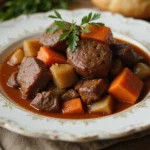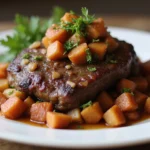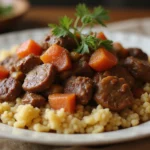
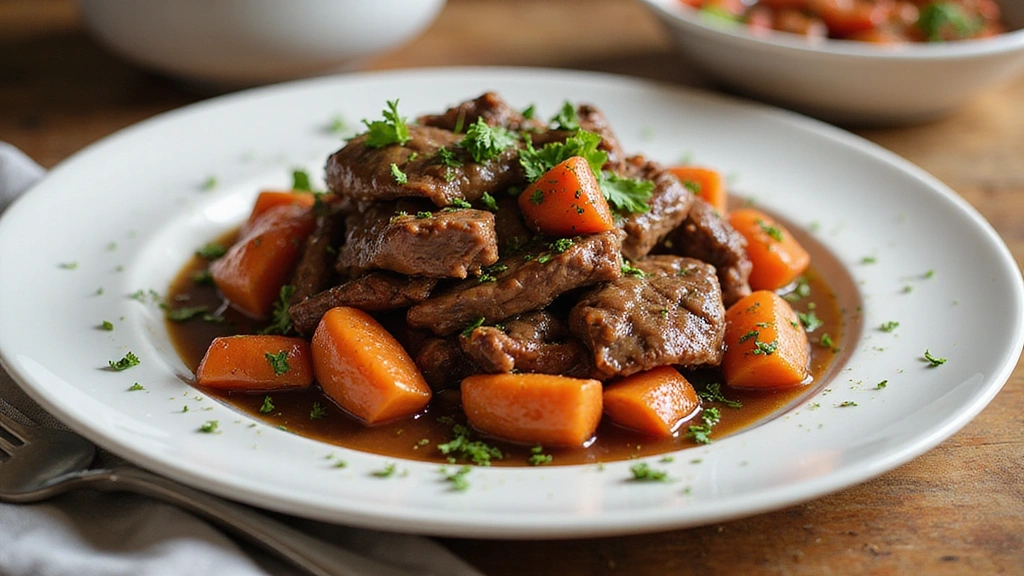
This classic Corned Beef recipe brings together centuries of culinary tradition with modern techniques to create a dish that’s both comforting and elegant.
The harmonious balance of savory spices and tender meat creates a memorable dining experience that will have everyone asking for your secret.
I discovered this recipe during my travels through Ireland, where local chefs have perfected it through generations of careful refinement.
Whether you’re preparing a casual family dinner or hosting a special celebration, this Corned Beef delivers impressive results with straightforward preparation.
The History and Cultural Significance
• Corned Beef Recipes Slow Cooker Instant Pot Favorite traces its origins to 17th-century Ireland, where it was originally created by preserving beef in salt and spices.
• The dish evolved over decades as immigrants brought it to America, adapting the recipe with local ingredients, eventually becoming the beloved version we know today.
• In Irish culture, this dish traditionally appears at St. Patrick’s Day celebrations, symbolizing heritage and togetherness.
• While many variations exist across different regions, the authentic version maintains the use of pickling spices that sets it apart from imitations.
Recipe Overview
Nutritional Information (per serving)
Ingredients
Essential Equipment Guide
Slow Cooker: The slow cooker is essential for achieving tender, flavorful corned beef over several hours of cooking. Look for a model with a programmable timer and a removable pot for easy cleaning.
Instant Pot: The Instant Pot is perfect for achieving the same delicious results in a fraction of the time. It’s important to have a model that includes a pressure cooking function and a sauté feature for browning the meat.
Meat Thermometer: A reliable meat thermometer ensures that your corned beef reaches the right internal temperature for safe consumption. Look for one with both instant-read and probe capabilities.
Preparation Methods
Brining: Brining is the process of soaking the beef in a salt solution, enhancing its flavor and tenderness. Ensure the brisket is fully submerged in the brine for at least 5 days for optimal results.
Braising: Braising combines both wet and dry heat, which is crucial for breaking down tough fibers in the brisket. Searing the meat first creates a flavorful crust before adding liquid to the pot.
Pressure Cooking: Using a pressure cooker like the Instant Pot reduces cooking time significantly while still infusing flavors. Always allow natural pressure release for the most tender results.
Step 1: Prepare Ingredients

Gather all the ingredients needed for the recipe.
Ensure that your corned beef brisket is thawed if previously frozen.
Wash and cut the vegetables into uniform pieces for even cooking.
Measure out the spices and broth to have everything ready for cooking.
Step 2: Sear the Brisket
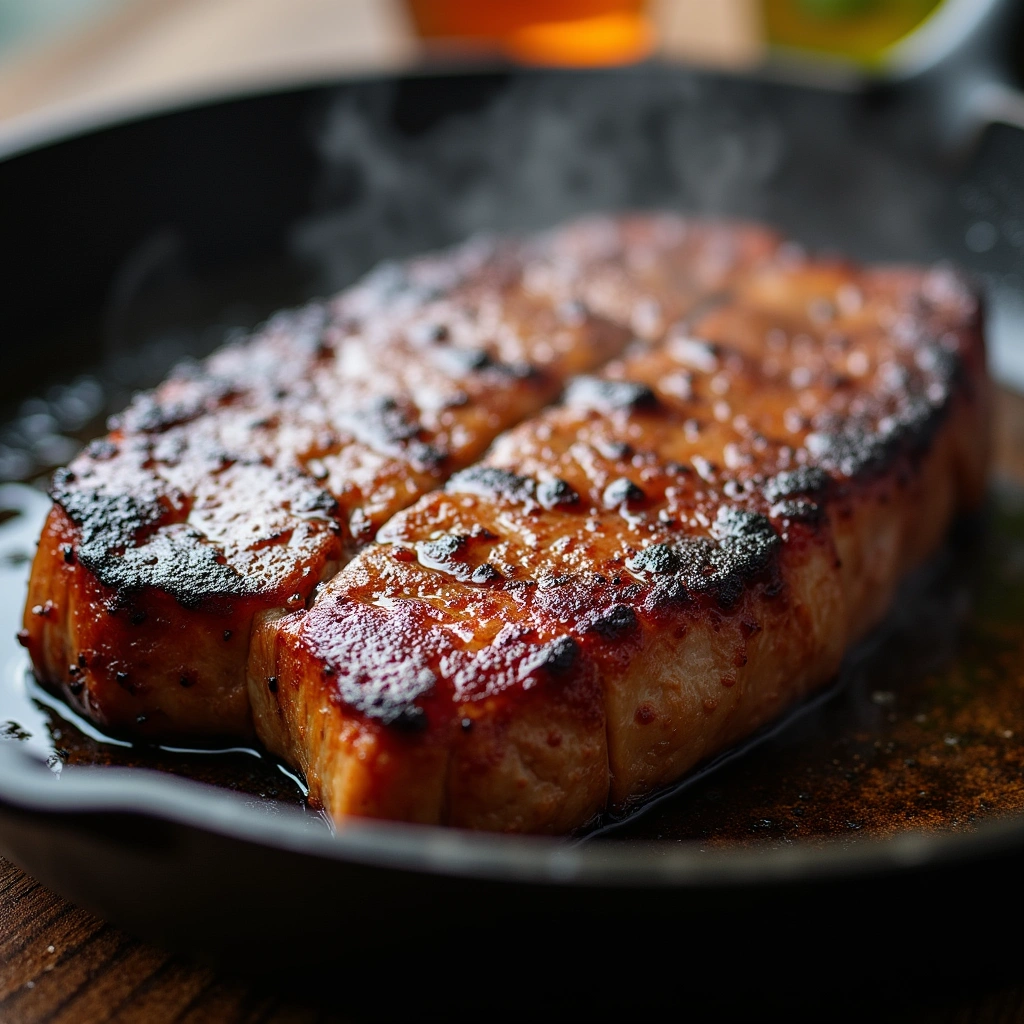
Heat a small amount of oil in the slow cooker on the sauté setting or in a pan.
Place the brisket in the pot and sear it for about 4-5 minutes on each side until browned.
This step locks in flavors and creates a delicious crust.
Remove the brisket and set it aside.
Step 3: Add the Vegetables

Layer the chopped vegetables at the bottom of the slow cooker or Instant Pot.
Add the seared brisket on top of the vegetables.
This allows the juices from the meat to flavor the veggies as they cook.
Sprinkle the pickling spice over the brisket.
Step 4: Pour in the Broth
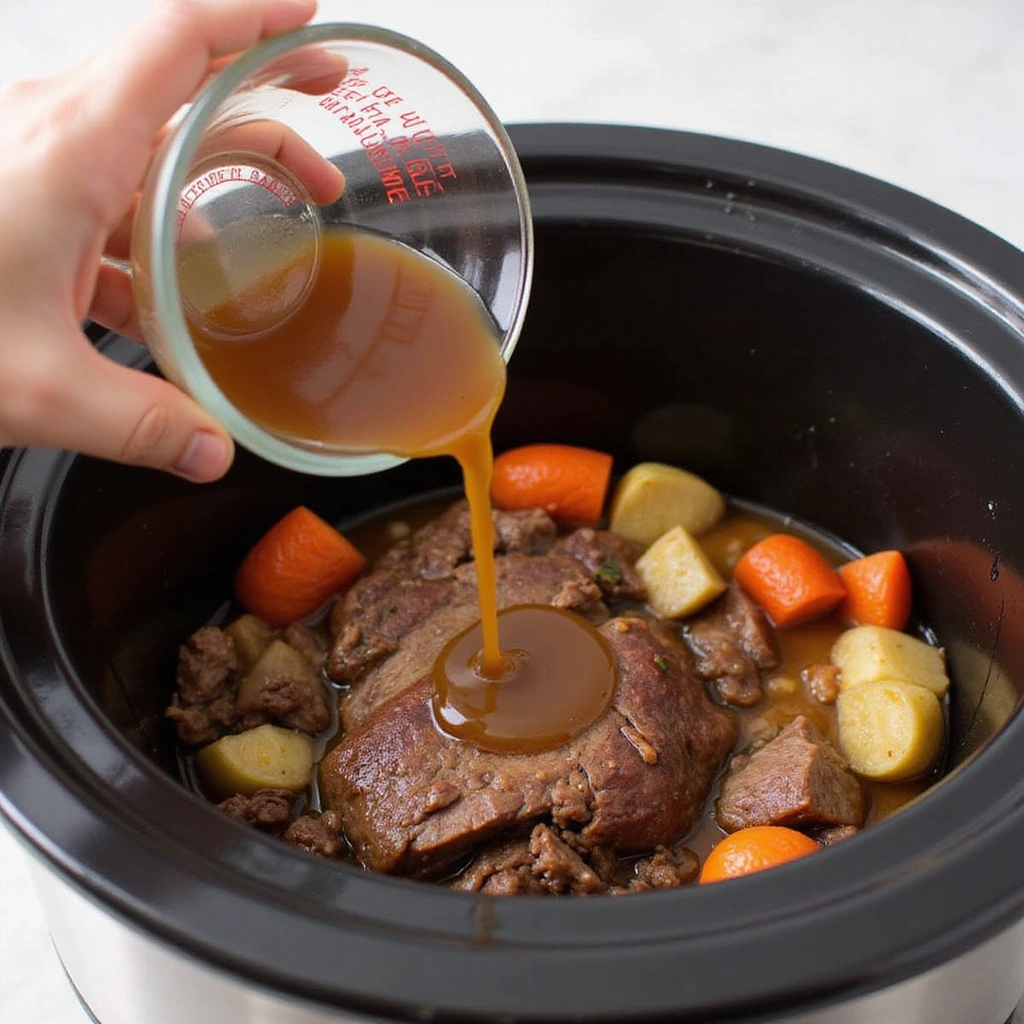
Carefully pour the beef broth over the brisket and vegetables.
Make sure to add enough liquid to cover about half of the brisket.
This will keep the meat moist during cooking.
Avoid pouring directly over the brisket to prevent washing away the spices.
Step 5: Cooking in the Slow Cooker

Cover the slow cooker with a lid and set it to low for 8 hours.
This slow cooking method allows the flavors to meld beautifully.
Ensure the lid is tightly fitted to lock in steam and moisture.
Check the meat occasionally for tenderness.
Step 6: Cooking in the Instant Pot

If using the Instant Pot, seal the lid and set it to high pressure for 90 minutes.
Allow for a natural pressure release for about 15 minutes afterward.
This method ensures the brisket remains incredibly tender.
Always check the meat’s internal temperature to ensure it reaches at least 190°F.
Step 7: Check for Doneness

After the cooking time is complete, check the brisket for tenderness using a fork.
It should easily fall apart when pulled apart.
If it’s not tender yet, continue cooking for an additional 30 minutes in the slow cooker or pressure cooker.
This step ensures the ideal texture for serving.
Step 8: Serve and Enjoy
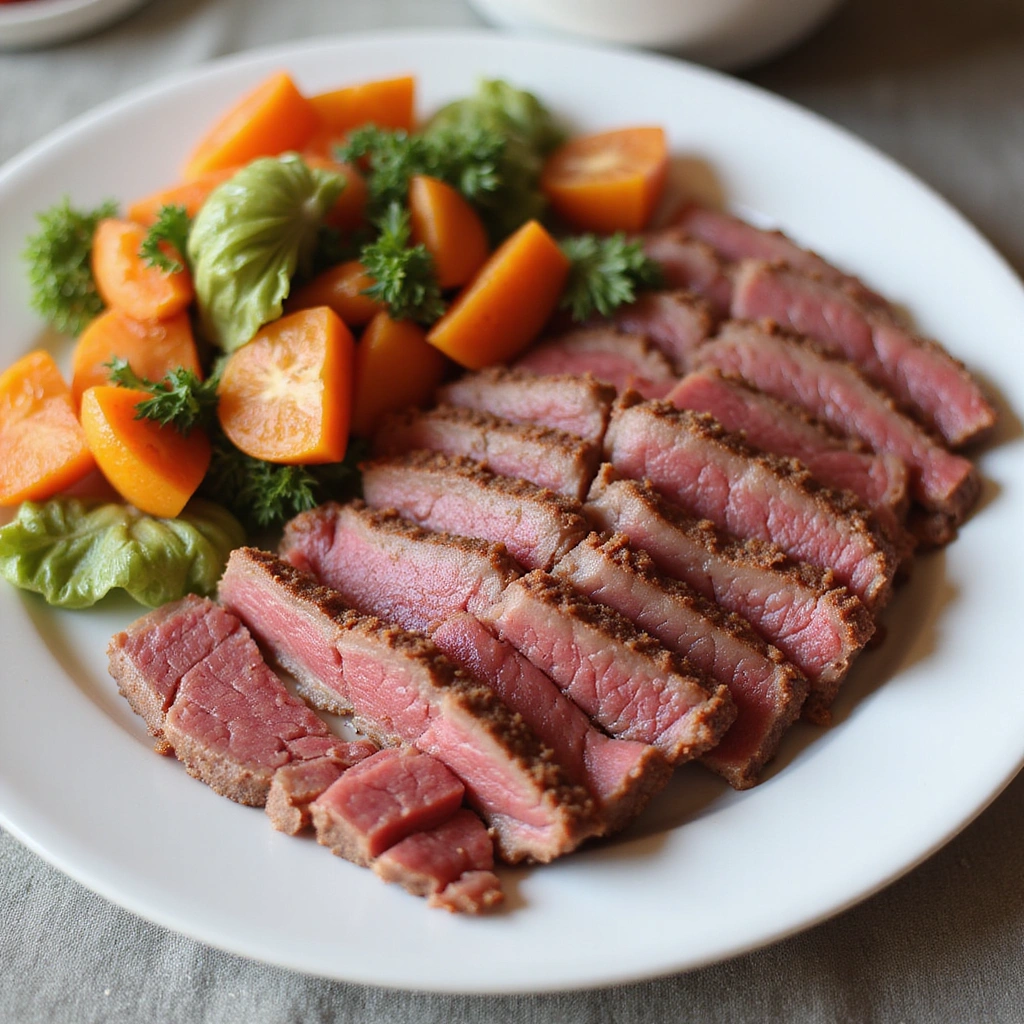
Remove the brisket from the pot and let it rest for 10 minutes before slicing.
Slice against the grain for the best texture.
Serve with the cooked vegetables and some of the broth for added flavor.
Enjoy this comforting dish with your family and friends.
Critical Timing and Temperature Guide
Slow Cooking: Cook on low for 8 hours for optimal tenderness. Look for the meat to easily pull apart with a fork.
Pressure Cooking: Cook on high pressure for 90 minutes. Ensure a natural release for about 15 minutes for best results.
Resting: Allow the meat to rest for 10 minutes after cooking. This helps retain juices before slicing.
Pro Tips for Corned Beef Recipes Slow Cooker Instant Pot Favorite
• Ingredient Selection: Choose a high-quality corned beef brisket with plenty of marbling for maximum flavor and tenderness.
• Preparation Secret: Let your brisket come to room temperature before searing. This helps achieve a better crust.
• Temperature Management: Make sure your broth is warm before adding it to the pot, reducing the temperature drop during cooking.
• Texture Enhancement: When slicing, always cut against the grain to enhance tenderness.
• Flavor Layering: Consider adding a splash of apple cider vinegar to the broth for a subtle tang.
• Make-Ahead Strategies: You can prepare the brine in advance and store the brisket in it for up to a week.
• Restaurant-Quality Finishing Touches: Garnish with fresh parsley or chives for a pop of color and freshness.
• Equipment Optimization: Ensure your slow cooker or Instant Pot is large enough to accommodate the size of the brisket.
Troubleshooting Common Issues
• Texture Too Tough: This can happen if the brisket isn’t cooked long enough. Always check for tenderness by pulling it apart with a fork.
• Flavor Too Salty: If your corned beef is too salty, try soaking it in water for 30 minutes before cooking to draw out excess salt.
• Meat Drying Out: This can occur if there’s not enough liquid. Always ensure you have sufficient broth covering the meat halfway.
• Vegetables Overcooked: To prevent mushy vegetables, add them halfway through the cooking process instead of at the beginning.
• Insufficient Flavor: If the seasoning isn’t strong enough, consider adding more pickling spice or a splash of vinegar before serving.
Variations and Regional Differences
• Jewish Deli Style: This version often includes a sweeter brine with the addition of sugar and spices like cinnamon, giving it a unique flavor profile.
• Southern Style: Often includes cooking the corned beef with collard greens and cornbread, reflecting regional culinary traditions.
• New England Boiled Dinner: This preparation adds cabbage and other root vegetables, resulting in a hearty one-pot meal.
• Modern Interpretations: Contemporary versions may incorporate gluten-free or low-sodium options to cater to dietary restrictions.
Food Science Behind the Recipe
• Brining Process: The salt in brining not only preserves the meat but also enhances moisture retention, resulting in a juicier product.
• Gelatinization: Cooking the corned beef low and slow allows collagen in the meat to break down and convert to gelatin, providing a rich mouthfeel.
• Flavor Development: The Maillard reaction occurs during searing, creating complex flavors that deepen as the meat cooks in broth.
Frequently Asked Questions
What’s the most common mistake people make when preparing Corned Beef? The top mistake is not allowing enough time for the meat to cook, leading to toughness. Always check for tenderness before serving.
Can I prepare components of this dish in advance? Yes, you can chop vegetables and prepare the brine up to 24 hours in advance, storing them in the refrigerator until ready to cook.
How do I adapt this recipe for dietary restrictions? For gluten-free, ensure your broth and any seasonings are gluten-free, and for low-sodium, use low-sodium broth and rinse the brisket.
What’s the best way to store and reheat leftovers? Store leftovers in an airtight container in the refrigerator for up to 4 days. Reheat gently on the stove or in the microwave, adding a splash of broth to maintain moisture.
Can I freeze this dish? Yes, corned beef freezes well. Slice it, wrap tightly, and store in the freezer for up to 3 months. Thaw in the refrigerator before reheating.
What wine or beverages pair best with this dish? A robust red wine like Cabernet Sauvignon or a light beer complements the savory flavors of corned beef beautifully.
How can I scale this recipe up for a crowd? Simply multiply the ingredients proportionately and ensure your cooking vessel can accommodate the larger quantity.
What side dishes complement this recipe best? Traditional sides include colcannon, sautéed cabbage, or roasted Brussels sprouts for a delightful contrast of flavors.
How do professional chefs elevate this dish for restaurant service? Chefs often serve corned beef on a bed of creamy mashed potatoes, drizzled with a rich gravy or sauce for added elegance.
Serving and Presentation Guide
• Traditional Presentation: Serve corned beef sliced thinly on a platter, accompanied by boiled vegetables, garnished with fresh parsley for a classic look.
• Modern Plating Ideas: Create a deconstructed plate with a stack of sliced beef, a swirl of mustard sauce, and a side of roasted veggies for a contemporary touch.
• Accompaniment Suggestions: Serve with a tangy mustard or horseradish sauce to enhance the dish’s flavors.
• Special Occasion Presentation: For festive occasions, serve on a wooden board with assorted pickled vegetables and artisan bread for a rustic feel.
Conclusion
This Corned Beef recipe is a delightful way to celebrate tradition and flavor.
I encourage you to try this method for a tender and flavorful dish that will impress your family and friends.
With the convenience of the slow cooker or Instant Pot, you can enjoy this classic meal with minimal effort.