

Are you craving something sweet yet light? Japanese desserts have this amazing ability to tickle your taste buds without overwhelming your palate. I made this post because I want to share some delightful Japanese dessert recipes that showcase elegant sweet flavors. These treats are perfect for any occasion, whether you’re hosting a dinner party or simply want to indulge yourself.
If you’re someone who loves traditional Japanese sweets or is keen to explore the world of matcha desserts, you’re in for a treat. This collection is ideal for those who enjoy seasonal Japanese treats and easy Japanese confectionery. You’ll find recipes that range from well-known favorites like Matcha Mochi and Daifuku with Red Bean Paste to unique delights like Mont Blanc Dango.
What can you expect from this post? I’ve gathered twelve incredible recipes that embody the delicate flavors and textures of Japanese desserts. Each recipe is simple to follow, making it accessible for both novice cooks and seasoned bakers. You’ll learn how to create these traditional mochi recipes and more, allowing you to bring a bit of Japan into your kitchen.
Whether you want to impress your friends with homemade sweets or just enjoy a quiet moment with a cup of tea and a delicious treat, these Japanese dessert recipes will elevate your dessert game. Let’s dive in and discover these light, elegant flavors together!
Key Takeaways
– Explore 12 traditional Japanese dessert recipes that are light and flavorful, perfect for any gathering.
– Learn how to make popular treats like Daifuku and Yaki Dofu Mochi with easy-to-follow instructions.
– Discover seasonal Japanese treats that capture the essence of Japan’s culinary heritage.
– Get tips on working with matcha and other unique ingredients to enhance your baking.
– Enjoy a variety of textures and flavors, from chewy mochi to creamy sweet soups, all in one collection.
1. Matcha Mochi

Craving something soft and chewy that’s also packed with flavor? Matcha mochi is a delightful treat that marries the unique earthy notes of matcha with the sweet, chewy goodness of mochi. Not only is it visually stunning with its vibrant green hue, but it also brings a comforting taste experience, making it an ideal snack for any occasion. Plus, whipping it up at home is surprisingly easy!
Ingredients: – 1 cup glutinous rice flour – 1/4 cup matcha powder – 1/2 cup sugar – 1 cup water – Cornstarch for dusting
Instructions: 1. In a bowl, combine glutinous rice flour, matcha powder, and sugar. 2. Gradually add water, mixing until smooth. 3. Pour the mixture into a heatproof dish and steam for about 15 minutes until set. 4. Let cool slightly, then dust with cornstarch and cut into squares. 5. Enjoy your matcha mochi fresh or store in an airtight container for later.
FAQs: – Can I use regular rice flour? – No, glutinous rice flour is key for the chewy texture.
Fun fact: A serving of matcha delivers a burst of antioxidants—up to 137 times more than a cup of brewed green tea. Matcha mochi lets you enjoy that power in a chewy, delicious bite.
Matcha Mochi
Editor’s Choice
Price updated on December 17, 2025 at 8:35 AM
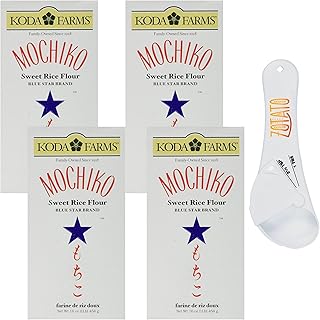
Koda Farms Mochiko Sweet Rice – Glutinous Flour for Mochi, Dango & Bakin…


Koda Farms Mochiko Sweet Rice – Glutinous Flour for Mochi, Dango & Bakin…


Bob’s Red Mill Sweet White Rice Flour, 24-ounce (Pack of 3)

Micro Ingredients Organic Matcha Green Tea Powder, First Harvest, Culina…
2. Daifuku with Red Bean Paste

Looking for a sweet treat that’s both soft and satisfying? Daifuku is a classic Japanese dessert that features a tender mochi shell wrapped around a luscious filling of sweet red bean paste. This combination creates a delightful contrast in textures and flavors, making it a favorite among dessert lovers. Plus, making daifuku at home means you can experiment with different fillings, from traditional red beans to fresh fruits!
Ingredients: – 1 cup glutinous rice flour – 1/3 cup sugar – 3/4 cup water – 1 cup sweet red bean paste – Cornstarch for dusting
Instructions: 1. In a bowl, mix glutinous rice flour and sugar. 2. Gradually add water, stirring until smooth. 3. Microwave for 1 minute, stir, and repeat until dough is sticky and translucent (about 3-4 minutes total). 4. Dust your hands and work surface with cornstarch. 5. Take a small piece of mochi, flatten it, and wrap it around a ball of red bean paste. 6. Pinch to seal and shape as desired. 7. Repeat with remaining dough and filling.
FAQs: – How long can I store daifuku? – Best consumed fresh, but can be stored in the fridge for 1-2 days.
Fun fact: Daifuku’s mochi shell is typically only 2–3 millimeters thick, yet it holds a generous filling of sweet red bean paste. Making it at home lets you tailor fillings—from classic red beans to fresh fruit—while proudly fitting into japanese dessert recipes.
Daifuku with Red Bean Paste
Editor’s Choice
Price updated on December 17, 2025 at 8:35 AM

Shiratamako Sweet Rice Flour – Pack of 2-5.2 oz (150 g) x 2 – Coarse Glu…
Koda Farms Mochiko Sweet Rice – Glutinous Flour for Mochi, Dango & Bakin…
Koda Farms Mochiko Sweet Rice – Glutinous Flour for Mochi, Dango & Bakin…

Koda Farms Mochiko (Sweet Rice Flour) – 16oz (Pack of 5)
3. Sakura Mochi

Want to indulge in a dessert that captures the essence of spring? Sakura mochi is a beautiful seasonal treat that showcases the delicate flavors of cherry blossoms. Wrapped in a salted cherry blossom leaf, this sweet not only pleases the palate but also delights the eyes with its lovely pink hue. Making sakura mochi at home is a fun way to celebrate the cherry blossom season and enjoy a taste of tradition.
Ingredients: – 1 cup glutinous rice flour – 3/4 cup water – 1/4 cup sugar – 3 pickled cherry blossom leaves (sakura) – 1/2 cup sweet red bean paste
Instructions: 1. Soak the sakura leaves in water for at least an hour to reduce saltiness. 2. Mix the glutinous rice flour, sugar, and water until smooth. 3. Steam the mixture for about 10 minutes until it becomes sticky and translucent. 4. Let cool slightly and divide into 6 pieces. 5. Flatten each piece and place a ball of red bean paste in the center, folding the mochi around it. 6. Wrap each mochi with a sakura leaf. 7. Serve chilled or at room temperature.
FAQs: – Can I use regular leaves? – No, cherry blossom leaves are essential for the unique flavor.
Sakura Mochi
Editor’s Choice
Price updated on December 17, 2025 at 8:34 AM

Japan Tamasan Joshinko Rice Flour Dango Sweets Dessert 和菓子上新粉 – 7.76oz (…

Erawan Glutinous Rice Flour 1 LB 水磨白糯米𥺃粉 (12 packs)

Hokkaido Red Bean Paste 100% Japanese Azuki Beans 300g (10.6oz) (Chunky …

Morinaga Ogura An (Sweetened Red Beans) 15.16 Oz (3pack)
4. Yaki Dofu Mochi

Are you in the mood for a dessert that’s crispy on the outside and chewy on the inside? Yaki dofu mochi is a unique grilled treat that combines the delightful chewiness of mochi with a crispy exterior from grilling. Often served with syrup or soy sauce, this dish adds an exciting twist to traditional mochi. Making yaki dofu mochi is simple and perfect for warming up on a chilly day!
Ingredients: – 1 cup glutinous rice flour – 1/4 cup sugar – 1/2 cup water – Soy sauce or sweet syrup for serving – Oil for grilling
Instructions: 1. Mix glutinous rice flour and sugar in a bowl. 2. Gradually add water, stirring until smooth. 3. Steam for 10-15 minutes until cooked through. 4. Let cool, then cut into squares. 5. Heat a grill pan over medium heat and lightly oil. 6. Grill each piece until golden brown and crispy on both sides, about 3-4 minutes per side. 7. Serve warm drizzled with soy sauce or syrup.
FAQs: – Can I use regular rice flour? – No, glutinous rice flour is essential for the chewy texture.
Yaki Dofu Mochi
Editor’s Choice
Price updated on December 17, 2025 at 8:34 AM
Koda Farms Mochiko Sweet Rice – Glutinous Flour for Mochi, Dango & Bakin…


SENSARTE Nonstick Grill Pan for Stove Tops, Versatile Griddle with Pour …

TAKESAN KISHIBORI SOY SAUCE (Original, 12.2 Fl oz.) Pure artisan Japanes…

CHINRIU | All Natural Sakura Syrup from Real Cherry Blossoms for Cocktai…
5. Kasutera (Castella Cake)

Craving a slice of something fluffy and sweet? Kasutera, or Castella cake, is a moist sponge cake that originates from Portuguese cuisine, now beloved in Japan. Known for its light texture and subtle sweetness, it pairs beautifully with tea or can be enjoyed on its own. Making kasutera at home is a delightful way to impress your guests with a taste of tradition!
Ingredients: – 4 eggs – 1 cup sugar – 1/2 cup honey – 1 cup bread flour – 1/4 cup milk
Instructions: 1. Preheat the oven to 350°F (175°C) and line a baking pan with parchment paper. 2. In a bowl, beat the eggs and sugar together until pale and fluffy. 3. Gradually add honey and mix well. 4. Sift in the flour and fold in gently until combined. 5. Pour in the milk and mix until smooth. 6. Pour the batter into the prepared pan and bake for 30-35 minutes until a toothpick comes out clean. 7. Let cool, then slice and serve.
FAQs: – Can I add flavors? – Yes, try adding matcha or cocoa to the batter for variation.
Kasutera (Castella Cake)
Editor’s Choice
Price updated on December 17, 2025 at 8:36 AM

If You Care Parchment Paper Baking Sheets – 12 Pack of 24-Count Precut L…

Fasmov 500 Count Parchment Paper Baking Liner Sheets Pan liner, 12×16 In…

360 Count 12″x 16″ Heavy Duty Parchment Paper Sheets for Baking, No-Stic…

SMARTAKE 400PCS Parchment Paper Sheets, 12 x 16 IN Pre-Cut Baking Parchm…

Katbite 200PCS 12×16 In Heavy Duty Flat Parchment Paper, Parchment Paper…
6. Dango (Sweet Rice Dumplings)

Looking for a fun and chewy snack? Dango are delightful Japanese rice dumplings that are perfect for sharing. These colorful treats come on skewers and are often enjoyed during festivals, drizzled with sweet soy sauce or syrup. The versatility of dango allows you to get creative with flavors and colors, making them perfect for gatherings or family fun in the kitchen!
Ingredients: – 1 cup glutinous rice flour – 1/4 cup sugar – 1/2 cup water – Sweet soy sauce or syrup for drizzling
Instructions: 1. In a bowl, mix glutinous rice flour and sugar. 2. Gradually add water, stirring until smooth and slightly sticky. 3. Divide into three equal portions and color each with different natural food coloring (optional). 4. Roll into small balls (about 1 inch in diameter). 5. Boil in water for about 5-7 minutes until they float. 6. Skewer three dumplings on each stick and drizzle with sweet soy sauce or syrup. 7. Serve warm or at room temperature.
FAQs: – Are dango gluten-free? – No, they are made with glutinous rice flour, which contains gluten.
Dango (Sweet Rice Dumplings)
Editor’s Choice
Price updated on December 17, 2025 at 8:37 AM
Koda Farms Mochiko Sweet Rice – Glutinous Flour for Mochi, Dango & Bakin…
Bob’s Red Mill Sweet White Rice Flour, 24-ounce (Pack of 3)


Nuogo 1000 Pcs Bamboo Cocktail Picks 4.13 Inch Bamboo Skewers Fruit Toot…

Dye-Free Food Coloring Powder set – Red, Blue, Green and Yellow. | Perfe…
7. Kushi Dango (Skewered Dango)

Want a fun and flavorful snack on a stick? Kushi dango is a delightful variation of dango served on skewers, perfect for festivals or casual snacking. These sweet rice dumplings are brushed with sweet soy sauce and grilled for a smoky, caramelized flavor that enhances their natural sweetness. They’re easy to make and great for sharing with friends and family!
Ingredients: – 1 cup glutinous rice flour – 1/4 cup sugar – 1/2 cup water – Sweet soy sauce for brushing
Instructions: 1. Mix glutinous rice flour and sugar in a bowl. 2. Gradually add water until a sticky dough forms. 3. Divide the dough into small balls (about 1 inch). 4. Boil in water for 5 minutes until they float, then remove and cool. 5. Skewer three dumplings on each stick. 6. Brush with sweet soy sauce and grill on medium heat, turning until golden and slightly charred. 7. Serve warm.
FAQs: – Can I use a grill pan? – Yes, a grill pan works perfectly!
Kushi Dango (Skewered Dango)
Editor’s Choice
Price updated on December 17, 2025 at 8:37 AM
Koda Farms Mochiko Sweet Rice – Glutinous Flour for Mochi, Dango & Bakin…
Koda Farms Mochiko Sweet Rice – Glutinous Flour for Mochi, Dango & Bakin…

“FLAFSTER KITCHEN BBQ Skewers for Grilling – 16” Stainless Steel Flat Ke…
8. Warabi Mochi (Bracken Starch Cake)

In search of a light and unique dessert? Warabi mochi is a traditional Japanese treat made from bracken starch, resulting in a wonderfully chewy and slightly gelatinous texture. Often dusted with soybean flour and sugar, this dessert has an earthy flavor that pairs beautifully with sweet syrup. Warabi mochi is especially refreshing during hot summer months, making it a delightful treat to enjoy at home!
Ingredients: – 1 cup bracken starch – 2 cups water – 1/2 cup sugar – Soybean flour for dusting – Sweet syrup for serving
Instructions: 1. In a pot, mix bracken starch, water, and sugar. 2. Heat over medium heat while constantly stirring until the mixture thickens. 3. Pour into a mold and let it cool. 4. Once set, cut into squares and dust with soybean flour. 5. Serve with syrup for drizzling.
FAQs: – Can I make this in advance? – Yes, warabi mochi is best enjoyed fresh but can be stored in the fridge for a day.
Warabi Mochi (Bracken Starch Cake)
Editor’s Choice
Price updated on December 17, 2025 at 8:37 AM


chaganju Japanese sweets traditional wagashi dessert ‐ Kuzu Mochi – 2pac…

Premium Kudzu Root Starch Chunks – 180g – Traditional Japanese Thickenin…
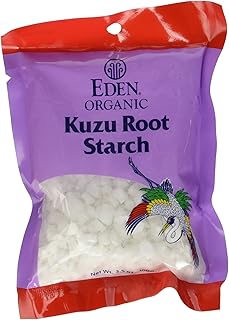
Eden Kuzu Root Starch, Organic, 3.5-Ounce Packages (Pack of 4)

Liquid Alchemist Simple Syrup for Cocktails – Real Ingredients Make our …
9. Zenzai (Sweet Red Bean Soup)

Feeling the chill and in need of something warm and comforting? Zenzai is a delicious sweet red bean soup made from azuki beans, often served with chewy mochi or rice balls. This hearty dessert is especially popular in winter, providing the perfect balance of creamy bean goodness and chewy texture. Making zenzai at home is simple and allows you to enjoy this traditional dish anytime you wish!
Ingredients: – 1 cup azuki beans – 3 cups water – 1/2 cup sugar – Hiragana mochi or other rice dumplings for serving
Instructions: 1. Rinse azuki beans and soak in water overnight. 2. Drain and place in a pot with 3 cups of water. 3. Bring to a boil, then reduce heat and simmer until beans are soft (about 30-40 minutes). 4. Stir in sugar until dissolved. 5. Serve warm, adding mochi or rice balls to each bowl.
FAQs: – Can I use canned beans? – Yes, but the texture may differ slightly.
Winter cravings hit hard, but zenzai makes it easy to warm up at home. This cozy entry in japanese dessert recipes proves comfort can be simple: simmer azuki beans, fold in chewy mochi, and savor creamy, sweet comfort in every spoonful.
Zenzai (Sweet Red Bean Soup)
Editor’s Choice
Price updated on December 17, 2025 at 8:37 AM

Ichibiki Zenzai Refreshingly Sweet Zenzai 150g (Pack of 6), 100% Hokkaid…

Hagoromo Zenzai 100% Hokkaido Azuki Red Bean Soup with Wasanbon Sugar Ja…

Yupik Organic Adzuki Beans, 2.2 lb (35.2 oz), Non-GMO, Vegan & Gluten-Fr…

Eden Organic Aduki Beans, (Azuki, Adzuki), Non-GMO, No Salt Added, Red B…
![Satoh's Kirimochi (Rice Cake) 35.3oz [Japan Import]](https://m.media-amazon.com/images/I/41JhEYaGB2L._AC_UL320_.jpg "12 Japanese Dessert Recipes with Light Elegant Sweet Flavors 99")
Satoh’s Kirimochi (Rice Cake) 35.3oz [Japan Import]
10. Shiratama Dango

Craving something soft and chewy that you can enjoy in various ways? Shiratama dango are delightful white dumplings made from glutinous rice flour, perfect for sweetening up your desserts. Their versatile texture makes them a great addition to fruit salads, sweet soups, or simply drizzled with syrup. Making shiratama dango at home is an easy way to create a fun and tasty treat for any occasion!
Ingredients: – 1 cup glutinous rice flour – 1/4 cup sugar – 1/2 cup water – Sweet syrup for serving
Instructions: 1. In a bowl, mix glutinous rice flour and sugar. 2. Gradually add water, stirring until a sticky dough forms. 3. Roll into small balls (about 1 inch in diameter). 4. Boil in water for 5 minutes until they float. 5. Serve warm drizzled with syrup or as an addition to desserts like fruit salad.
FAQs: – Can I use regular flour? – No, glutinous rice flour is essential for the proper texture.
Shiratama Dango
Editor’s Choice
Price updated on December 17, 2025 at 8:39 AM
Shiratamako Sweet Rice Flour – Pack of 2-5.2 oz (150 g) x 2 – Coarse Glu…
Koda Farms Mochiko Sweet Rice – Glutinous Flour for Mochi, Dango & Bakin…

Koda Farms Mochiko Sweet Rice Flour, Blue Star, 50 Pound
Koda Farms Mochiko Sweet Rice – Glutinous Flour for Mochi, Dango & Bakin…
11. Jaga Dango (Potato Dumplings)

Looking for a hearty snack that’s a little different? Jaga dango is a unique twist on traditional dango, incorporating the comforting flavor of potatoes. These savory-sweet dumplings are made with mashed potatoes and glutinous rice flour, creating a delightful combination that’s perfect for colder months. Jaga dango pairs beautifully with warm syrup or sweetened soy sauce, making it a fun treat to enjoy with friends!
Ingredients: – 1 cup mashed potatoes – 1 cup glutinous rice flour – 1/4 cup sugar – 1/2 cup water – Sweet syrup for serving
Instructions: 1. In a bowl, combine mashed potatoes, glutinous rice flour, and sugar. 2. Gradually add water until a sticky dough forms. 3. Roll into small balls (about 1 inch in diameter). 4. Boil in water for 5 minutes until they float. 5. Serve warm drizzled with syrup or sweet soy sauce.
FAQs: – Can I use instant mashed potatoes? – It’s better to use freshly mashed for the best flavor.
Jaga Dango (Potato Dumplings)
Editor’s Choice
Price updated on December 17, 2025 at 8:38 AM
Koda Farms Mochiko Sweet Rice – Glutinous Flour for Mochi, Dango & Bakin…
Shiratamako Sweet Rice Flour – Pack of 2-5.2 oz (150 g) x 2 – Coarse Glu…
Erawan Glutinous Rice Flour 1 LB 水磨白糯米𥺃粉 (12 packs)
Bob’s Red Mill Sweet White Rice Flour, 24-ounce (Pack of 3)

12. Mont Blanc Dango

Want to impress your guests with a unique dessert? Mont Blanc dango is an innovative take on traditional dango, inspired by the classic French Mont Blanc dessert featuring chestnut puree. This fusion brings together chewy dango topped with sweet chestnut cream, creating a delightful and elegant treat. Making Mont Blanc dango at home is a fun way to combine culinary styles and surprise your loved ones!
Ingredients: – 1 cup glutinous rice flour – 1/4 cup sugar – 1/2 cup water – 1 cup chestnut puree – Powdered sugar for garnish
Instructions: 1. In a bowl, mix glutinous rice flour and sugar. 2. Gradually add water until a sticky dough forms. 3. Roll into small balls (about 1 inch in diameter). 4. Boil in water for 5 minutes until they float. 5. Top each dango with a dollop of chestnut puree and a sprinkle of powdered sugar. 6. Serve warm for the best flavor.
FAQs: – Is this dessert suitable for gluten-free diets? – No, it contains glutinous rice flour.
Mont Blanc Dango
Editor’s Choice
Price updated on December 17, 2025 at 8:38 AM
Koda Farms Mochiko Sweet Rice – Glutinous Flour for Mochi, Dango & Bakin…



Wholesome Sweeteners 16-Ounce Organic Powdered Confectioners Sugar, Fair…
Conclusion

Exploring these 12 Japanese dessert recipes allows you to appreciate the delicate balance of flavors and textures that define traditional Japanese sweets.
From the chewy allure of mochi to the comforting warmth of zenzai, these recipes offer a glimpse into a rich culinary heritage. Whether you’re new to Japanese desserts or a seasoned enthusiast, each recipe brings a unique experience that is sure to impress. So gather your ingredients and embark on this sweet journey!
Note: We aim to provide accurate product links, but some may occasionally expire or become unavailable. If this happens, please search directly on Amazon for the product or a suitable alternative.
This post contains Amazon affiliate links, meaning we may earn a small commission if you purchase through our links, at no extra cost to you.
Frequently Asked Questions
What are the best light, elegant japanese dessert recipes to try from this article, and which ones feature mochi?
This collection centers on japanese dessert recipes that are light and refined, with a mix of mochi recipes and matcha desserts alongside seasonal treats. For a quick start, try a simple daifuku-style mochi filled with smooth red bean paste, or a delicate matcha dessert that uses gentle sweetness. Prefer non-mochi options? Look for seasonal Japanese treats such as light jelly or rice-based confections. Each recipe includes notes to tailor sweetness and texture so the flavors stay elegant.
How can I make traditional Japanese sweets at home using easy Japanese confectionery techniques?
Start with the basics used in many of these recipes: mochi dough, kanten jelly, and simple fillings. For mochi, combine glutinous rice flour with sugar and water, then cook until sticky and glossy; dust with starch, portion, and wrap with anko or fruit for a classic mochi recipe. For kanten, dissolve the powder in boiling water, sweeten lightly, pour into a mold, and chill until set. This approach keeps things approachable and easy Japanese confectionery friendly. Pro tips: read the recipe notes for scaling, keep a clean surface, and prep fillings ahead.
Which desserts in the article pair best with seasonal Japanese treats like cherry blossoms or citrus?
Seasonal flavors are highlighted to complement the natural sweetness of these desserts. Look for seasonal Japanese treats that use fruit like citrus or berries, or toppings such as sakura accents when in season. A light matcha dessert with a hint of citrus can be especially refreshing in spring and early summer. Experiment with fruit sauces or fresh fruit to keep the flavors balanced and not overpowering.
Are these japanese dessert recipes beginner-friendly, and how can I simplify the process?
Absolutely. The collection is designed with approachable steps and easy Japanese confectionery techniques. Start with 3-ingredient recipes, use pre-made anko or store-bought mochi to save time, and choose no-bake options. Use silicone molds to shape desserts, and read the notes for substitutions so you can tailor sweetness and texture without a lot of equipment. This keeps things friendly for beginners while still delivering elegant results. If you’re new to japanese dessert recipes, take it slow and taste as you go.
Can I adapt these japanese dessert recipes to be dairy-free or gluten-free?
Yes. Many of these desserts are naturally dairy-free and gluten-free when you pick the right ingredients. For mochi-based sweets, use glutinous rice flour (gluten-free) and opt for plant milks or water instead of dairy. Swap dairy cream or butter for coconut or almond milk in creamy elements, and keep seasonal Japanese treats with fruit toppings. Check labels for any hidden dairy or wheat ingredients, and adjust sweetness to suit your needs. Always choose traditional Japanese sweets that rely on rice flour, red bean paste, and kanten for a naturally friendly option.
Related Topics
japanese dessert recipes
traditional Japanese sweets
mochi recipes
matcha desserts
seasonal Japanese treats
easy Japanese confectionery
light flavors
elegant desserts
beginner friendly
no-bake desserts
festive sweets
authentic Japanese cuisine