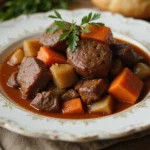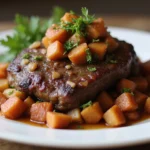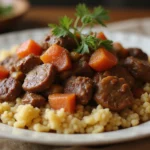

Weight Watchers Ground Beef Recipes are a delightful blend of health and flavor that make mealtime both satisfying and guilt-free.
The lean beef provides a rich source of protein while keeping the calorie count in check, making it perfect for weight-conscious eaters.
I first stumbled upon these recipes during my journey to a Weight Watchers meeting, where members shared their favorite adaptations of classic dishes.
Whether you’re cooking for a weeknight dinner or meal prepping for the week ahead, these recipes ensure that you won’t sacrifice taste for health.
The History and Cultural Significance
• Weight Watchers Ground Beef Recipes Healthy & Tasty traces its origins to the late 1960s, when the Weight Watchers organization was founded to promote healthy eating and lifestyle changes.
• The dish evolved over the decades as dietary trends shifted towards lower-calorie, higher-protein meals, eventually becoming a staple in many households.
• In modern American culture, these recipes traditionally appear in family gatherings and meal prep discussions, symbolizing the balance of healthy eating and social dining.
• While many variations exist across different cuisines, the authentic Weight Watchers approach emphasizes lean cuts of beef, fresh vegetables, and flavorful seasonings that keep the dish both satisfying and nutritious.
Recipe Overview
Nutritional Information (per serving)
Ingredients
Essential Equipment Guide
Skillet: A heavy-bottom skillet is crucial for browning the ground beef evenly and achieving a nice sear. Look for a non-stick or cast iron option for easy cleanup and heat retention.
Wooden Spoon: This tool is essential for breaking apart the meat while it cooks, ensuring even browning without scratching your cookware. A sturdy, thick wooden spoon will withstand the heat and pressure.
Measuring Cups and Spoons: Precise measurements are key in ensuring the right balance of flavors, especially in healthy recipes. Investing in a set of dry and liquid measuring tools will guarantee accuracy.
Preparation Methods
Browning the Meat: Browning is essential for developing complex flavors through the Maillard reaction. Ensure the skillet is hot before adding the ground beef to achieve a good sear, and don’t overcrowd the pan for best results.
Chopping Vegetables: Properly chopping ensures even cooking and enhances texture. Use a sharp knife and a cutting board to create uniform pieces, allowing them to cook at the same rate.
Seasoning Layers: Layering seasonings throughout the cooking process builds depth in flavor. Add some seasonings early on with the meat and adjust at the end to taste.
Step 1: Prepare Ingredients

Gather all ingredients and utensils needed for the recipe.
Wash and chop the vegetables as outlined in the ingredients section.
Measure out the ground beef and seasonings to ensure everything is ready for cooking.
Organizing your workspace will streamline the cooking process.
Step 2: Heat the Skillet

Place a heavy-bottom skillet over medium heat and add the olive oil.
Allow the oil to heat until shimmering, indicating it is hot enough to brown the meat.
Swirl the oil to coat the bottom of the skillet evenly.
This step is crucial for achieving a good sear on the ground beef.
Step 3: Brown the Ground Beef
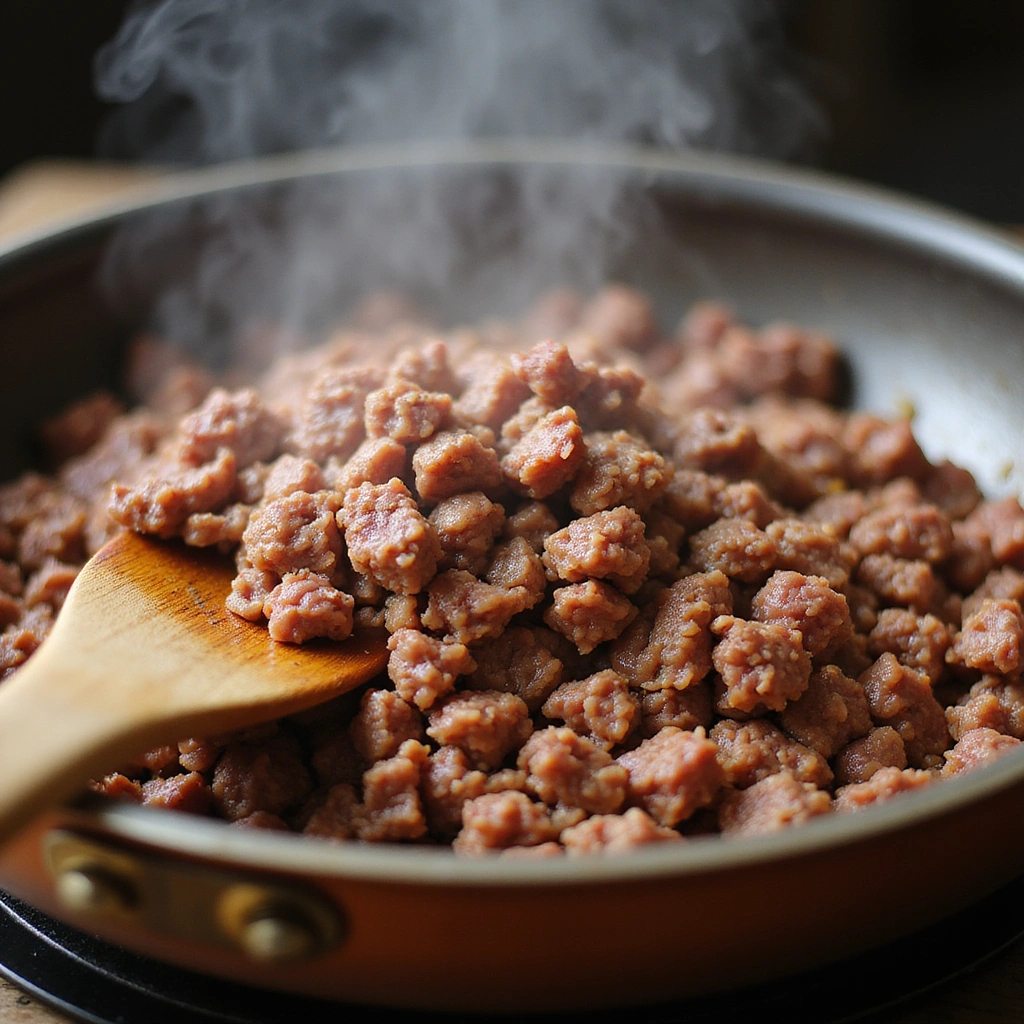
Add the lean ground beef to the hot skillet, spreading it out to avoid overcrowding.
Cook for about 5-7 minutes, breaking it apart with a wooden spoon until it is browned and no longer pink.
Look for a nice caramelization on the meat to enhance flavor.
Stir occasionally to ensure even cooking.
Step 4: Add Vegetables

Once the beef is browned, add the chopped onion, garlic, bell pepper, and zucchini to the skillet.
Stir well to combine all ingredients and cook for an additional 5-6 minutes until the vegetables are tender.
Keep an eye on the vegetables to prevent overcooking; they should remain vibrant and slightly crisp.
This step adds freshness and nutrition to the dish.
Step 5: Season the Mixture

Sprinkle in the salt, black pepper, paprika, and Italian seasoning over the meat and vegetables.
Stir well to ensure all ingredients are evenly seasoned.
Taste the mixture and adjust the seasoning as needed to your preference.
This step is vital for balancing the flavors of the dish.
Step 6: Simmer and Serve

Once seasoned, reduce the heat to low and let the mixture simmer for 5 minutes to meld the flavors.
Stir occasionally to prevent sticking and ensure even heating.
Serve hot over a bed of brown rice or whole grain pasta for a wholesome meal.
This final step allows the flavors to harmonize beautifully.
Step 7: Garnish and Enjoy
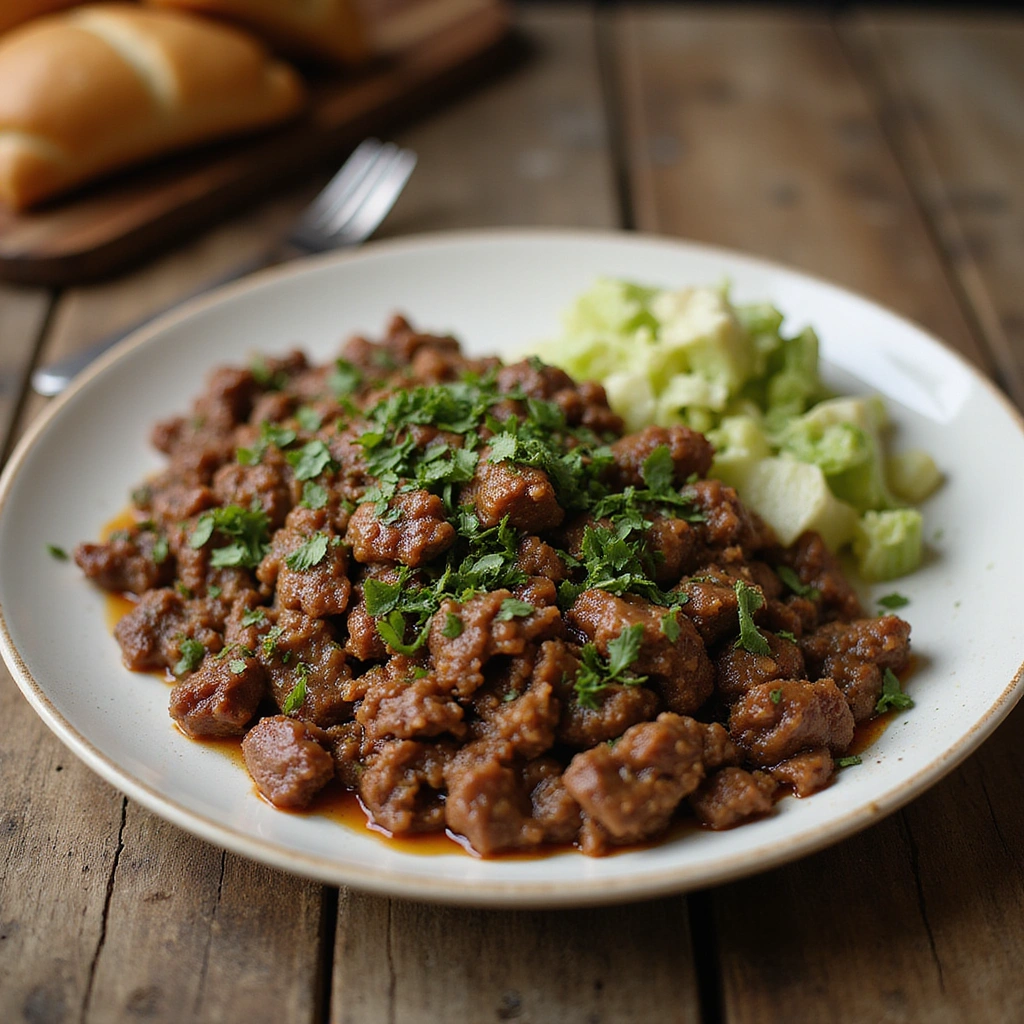
Finish with a sprinkle of freshly chopped herbs like parsley or basil for added flavor and color.
Serve the dish warm with optional sides like salad or steamed vegetables.
Encourage diners to customize their plates with their favorite toppings or condiments.
This step elevates the dish visually and enhances the overall dining experience.
Critical Timing and Temperature Guide
Browning the Meat: Aim for about 5-7 minutes at medium heat. Visual indicators include a deep brown color and no pink remaining. Avoid overcrowding the skillet to prevent steaming.
Add Vegetables: Cook for 5-6 minutes until tender but still slightly crisp. Look for vibrant colors and a fragrant aroma. Overcooking can lead to mushy vegetables.
Simmering: Allow 5 minutes at low heat after seasoning. Watch for bubbling and steam, indicating the mixture is hot and flavors are combining. Too long can dry out the dish.
Pro Tips for Weight Watchers Ground Beef Recipes Healthy & Tasty
• Ingredient Selection: Choosing high-quality lean ground beef (90% lean or higher) makes a significant difference in flavor and health benefits.
• Preparation Secret: Letting the ground beef rest for a few minutes after cooking allows the juices to redistribute, enhancing tenderness.
• Temperature Management: Start with a hot skillet for browning to achieve that deep flavor without overcooking the meat.
• Texture Enhancement: Sautéing vegetables until just tender preserves their texture and prevents them from becoming mushy.
• Flavor Layering: Add spices at different stages of cooking; some can be added early while others can be adjusted at the end for punch.
• Make-Ahead Strategies: Cook the beef and vegetable mixture in advance and store in the fridge for up to three days for quick meals.
• Restaurant-Quality Finishing Touches: A drizzle of balsamic glaze or a sprinkle of cheese can elevate the presentation and flavor.
• Equipment Optimization: Using a non-stick skillet can minimize sticking and make cleanup easier.
Troubleshooting Common Issues
• Texture Too Dense: This could be due to overcooking or using too high a heat. If you notice a dense texture, lower the heat and add a splash of broth to moisten the mixture.
• Flavors Unbalanced: If the dish tastes bland, it might need more seasoning. Gradually add salt or spices, tasting after each addition to find the right balance.
• Vegetables Overcooked: If the veggies are mushy, they were likely cooked for too long. To prevent this, keep an eye on them and add them at the right time in the cooking process.
• Meat Not Browning: If the meat is steaming instead of browning, it may be overcrowded in the pan. Cook in batches if necessary.
• Too Greasy: If the dish is greasy, ensure you’re using lean beef and drain excess fat before adding vegetables. Adjust with more veggies to maintain balance.
Variations and Regional Differences
• Mexican Style: Incorporate taco seasoning and black beans, serving in taco shells topped with fresh cilantro and avocado.
• Italian Style: Add crushed tomatoes and serve over whole grain pasta for a hearty pasta dish, garnished with parmesan.
• Asian Style: Use ginger and soy sauce for an Asian twist, serving over brown rice with sesame seeds.
• Modern Interpretations: Incorporate plant-based ground meat for a vegetarian version that retains flavor and texture.
Food Science Behind the Recipe
• Maillard Reaction: This is the chemical reaction that gives browned meat its distinctive flavor. Understanding this helps achieve a deeper flavor profile while cooking.
• Emulsification: Combining fat from the olive oil with the meat juices creates a cohesive sauce that enhances taste and texture.
• Flavor Compounds: The interaction between spices and heat releases essential oils, intensifying flavors and aromas that make the dish appealing.
Frequently Asked Questions
What’s the most common mistake people make when preparing Weight Watchers Ground Beef Recipes? Overcrowding the pan can lead to steaming instead of browning the meat, which prevents flavor development. Always cook in batches if necessary.
Can I prepare components of this dish in advance? Yes, you can cook the beef mixture ahead of time and store it in the refrigerator for up to three days. Just reheat when ready to serve.
How do I adapt this recipe for dietary restrictions? Substitute ground turkey or chicken for a leaner option, or use plant-based crumbles for a vegetarian adaptation.
What’s the best way to store and reheat leftovers? Store leftovers in an airtight container in the fridge for up to three days. Reheat in a skillet over low heat, adding a splash of water to maintain moisture.
Can I freeze this dish? Yes, cool completely and freeze in an airtight container for up to three months. Thaw overnight in the fridge before reheating.
What wine or beverages pair best with this dish? A light-bodied red wine like Pinot Noir complements the flavors of the beef without overpowering it.
How can I scale this recipe up for a crowd? Multiply the ingredients accordingly, ensuring to cook the meat in batches to maintain the browning process for flavor.
What side dishes complement this recipe best? A fresh green salad or steamed broccoli adds a nice contrast to the richness of the beef dish.
How do professional chefs elevate this dish for restaurant service? Chefs often plate the dish with a drizzle of high-quality olive oil or a balsamic reduction for added elegance.
Serving and Presentation Guide
• Traditional Presentation: Serve in a deep bowl, topped with fresh herbs and a sprinkle of cheese, alongside crusty whole grain bread for a comforting meal.
• Modern Plating Ideas: Use a large, flat plate with a smear of sauce and a mound of beef mixture artfully arranged, garnished with microgreens.
• Accompaniment Suggestions: Pair with a light salad dressed in vinaigrette, roasted vegetables, or whole grain sides for a balanced meal.
• Special Occasion Presentation: Serve in individual cast iron skillets or ramekins, topped with a dollop of sour cream and fresh chives for a rustic yet elegant touch.
Conclusion
Weight Watchers Ground Beef Recipes are not just healthy; they are an opportunity to enjoy a delightful meal without the guilt.
I encourage you to try this recipe and adapt it to suit your taste preferences.
Every bite can be a celebration of flavor and nutrition, making it a perfect addition to your weekly meal rotation.