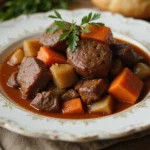
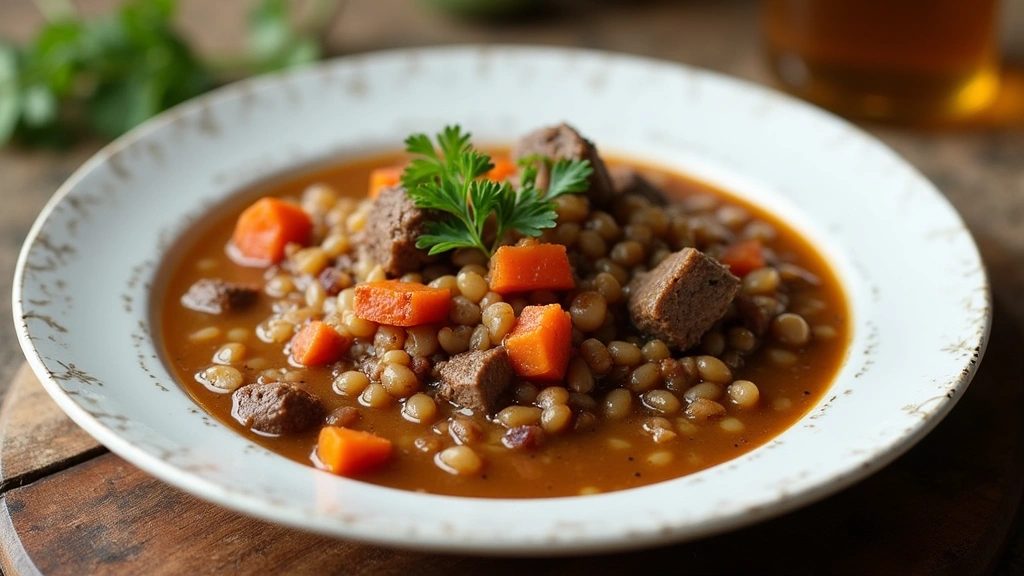
Beef Barley Soup is the ultimate comfort food, perfect for cozy nights or chilly afternoons.
This hearty dish combines tender beef, wholesome barley, and vibrant vegetables, creating a symphony of flavors and textures.
I first fell in love with this soup during a winter retreat in the mountains, where it was served steaming hot beside a crackling fire.
The rich aroma and nourishing ingredients made it an instant favorite that I now recreate at home for my family.
The History and Cultural Significance
• Beef Barley Soup traces its origins to Eastern Europe, where it was originally created by home cooks looking for hearty meals during cold winters.
• The dish evolved over decades as different cultures added their own regional ingredients, eventually becoming the beloved version we know today.
• In Jewish culture, this soup is often served during Shabbat dinners, symbolizing warmth and togetherness.
• While many variations exist across different regions, the authentic version maintains a comforting broth and the chewiness of barley that sets it apart from imitations.
Recipe Overview
Nutritional Information (per serving)
Ingredients
Essential Equipment Guide
Slow Cooker: This essential tool allows for low and slow cooking, which is crucial for tenderizing the beef and melding flavors. Look for models with programmable settings for convenience.
Chef’s Knife: A good-quality chef’s knife is key for efficiently chopping vegetables and meat. Ensure it feels balanced in your hand and is sharp for precise cuts.
Cutting Board: A sturdy cutting board provides a safe and stable surface for chopping ingredients. Opt for a large, non-slip board to accommodate all your prep work.
Preparation Methods
Browning the Beef: Browning the beef before adding it to the slow cooker is essential for developing deep, rich flavors through the Maillard reaction. Ensure your pan is hot enough to sear the meat without steaming it.
Chopping Vegetables: Uniformly chopping vegetables ensures they cook evenly in the slow cooker. Use a sharp knife and a stable cutting board to maintain control and safety.
Layering Ingredients: Layering the ingredients in the slow cooker matters for flavor infusion. Place tougher ingredients like meat on the bottom and softer ones like vegetables on top.
Step 1: Prepare Ingredients

Gather all your ingredients before you start cooking.
This includes beef chuck, vegetables, broth, and seasonings.
Having everything ready will streamline your cooking process.
Chop the vegetables and cut the beef into uniform pieces for even cooking.
Step 2: Brown the Beef

Heat a skillet over medium-high heat and add a tablespoon of oil.
Once hot, add the beef cubes in batches, avoiding overcrowding.
Sear the beef until browned on all sides, about 5-7 minutes.
This step enhances the flavor of the soup significantly.
Step 3: Sauté Vegetables

In the same skillet, add a bit more oil if necessary and toss in the chopped onions, carrots, and celery.
Sauté until they begin to soften, about 5 minutes.
Add garlic in the last minute of cooking to avoid burning.
This will build a flavorful base for your soup.
Step 4: Combine Ingredients in Slow Cooker

Transfer the browned beef and sautéed vegetables to the slow cooker.
Pour in the beef broth and add the pearled barley, thyme, bay leaf, salt, and pepper.
Stir everything gently to combine.
Make sure the barley is submerged in the broth for proper cooking.
Step 5: Set the Slow Cooker

Cover the slow cooker with its lid and set it to cook on low for 8 hours.
This long cooking time allows the flavors to meld beautifully.
Check to ensure the lid fits tightly to retain moisture.
Avoid lifting the lid during cooking to maintain temperature.
Step 6: Check for Doneness

After 8 hours, carefully remove the lid and stir the soup.
Check that the beef is tender and the barley is cooked through.
If the soup is too thick, add a little more broth or water.
Taste and adjust seasoning as needed.
Step 7: Serve the Soup

Ladle the soup into bowls, making sure to include plenty of beef and vegetables.
Garnish with fresh parsley for a pop of color and freshness.
Serve hot with crusty bread or crackers on the side.
Enjoy the comforting warmth of your homemade soup.
Step 8: Store Leftovers

Allow any leftover soup to cool before transferring it to airtight containers.
Store in the refrigerator for up to 3 days or freeze for longer storage.
Reheat on the stove over low heat, adding a splash of broth if necessary.
Ensure it’s heated through before serving again.
Critical Timing and Temperature Guide
Slow Cooking: Cook on low for 8 hours or high for 4 hours. Look for tender beef that easily pulls apart with a fork. Avoid cooking on high for too long to prevent overcooking the barley.
Browning the Beef: Sear for 5-7 minutes until well-browned. This step is crucial for flavor development. Do not skip this for the best taste.
Vegetable Texture: Check vegetables at the 6-hour mark. They should be tender but not mushy. If they start to break down too much, consider reducing cooking time next time.
Pro Tips for Beef Barley Soup Recipes Slow Cooker Rich And Comforting
• Ingredient Selection: Use high-quality beef chuck for best flavor and texture. Fresh vegetables also enhance the soup’s overall taste.
• Preparation Secret: Browning the meat is often overlooked, but it significantly enhances the soup’s flavor.
• Temperature Management: Ensure all ingredients are at room temperature before cooking to maintain even cooking temperatures.
• Texture Enhancement: Add the barley in the beginning for a creamy texture as it absorbs the broth.
• Flavor Layering: Don’t rush the sautéing process for vegetables; this step builds the foundation of flavor.
• Make-Ahead Strategies: Prepare the beef and vegetables a day in advance to save time on cooking day.
• Restaurant-Quality Finishing Touches: A drizzle of olive oil and fresh herbs at serving can elevate the dish.
• Equipment Optimization: Use a slow cooker with a timer feature to prevent overcooking.
Troubleshooting Common Issues
• Flavor Too Bland: This usually happens when not enough seasoning is added. Taste and adjust with salt or herbs gradually during cooking.
• Overcooked Barley: If the barley becomes mushy, reduce the cooking time next time, as it cooks faster than beef.
• Too Greasy: If the soup is oily, skim off excess fat from the top after cooking. Use leaner cuts of beef to reduce fat content.
• Not Enough Broth: If the soup is too thick, add more broth or water gradually until reaching desired consistency.
• Vegetables Undercooked: If vegetables are still hard, ensure they are chopped uniformly and consider increasing cooking time slightly.
Variations and Regional Differences
• Scottish Variation: In Scotland, the soup may include neeps (turnips) and is often served with oatcakes, adding unique flavors and textures.
• Italian Variation: In Italy, some recipes incorporate tomatoes and herbs like basil, giving the soup a Mediterranean twist.
• Modern Adaptation: Some contemporary versions substitute quinoa for barley, catering to gluten-free diets while maintaining protein content.
• Vegetarian Option: A vegetarian version can be made by substituting beef with mushrooms and vegetable broth, maintaining the hearty feel.
Food Science Behind the Recipe
• Maillard Reaction: This browning process occurs when meat is seared, creating complex flavors and aromas that enhance the soup’s taste.
• Gelatinization: As barley cooks, it absorbs liquid and swells, creating a creamy texture that thickens the soup.
• Flavor Infusion: Slow cooking allows flavors to meld and deepen over time, resulting in a rich and comforting broth.
Frequently Asked Questions
What’s the most common mistake people make when preparing Beef Barley Soup? Skipping the browning step for the meat is a common error that leads to a less flavorful soup. Always take the time to sear the beef for depth of flavor.
Can I prepare components of this dish in advance? Yes, you can chop vegetables and cube the beef a day ahead. Store them separately in airtight containers in the fridge for optimal freshness.
How do I adapt this recipe for dietary restrictions? Substitute beef with mushrooms for a vegetarian option and use vegetable broth instead of beef broth for a vegan alternative.
What’s the best way to store and reheat leftovers? Store leftovers in an airtight container in the refrigerator for up to 3 days. Reheat on the stovetop over low heat, adding a splash of broth to maintain consistency.
Can I freeze this dish? Yes, cool the soup completely before transferring to freezer-safe containers. It will last for 3 months in the freezer. Thaw overnight in the refrigerator before reheating.
What wine or beverages pair best with this dish? A robust red wine like Cabernet Sauvignon complements the richness of the soup beautifully. A hearty ale can also be a great pairing.
How can I scale this recipe up for a crowd? To serve more people, simply multiply the ingredients while ensuring your slow cooker can handle the increased volume. Adjust cooking times if necessary.
What side dishes complement this recipe best? A simple green salad and crusty bread are perfect accompaniments, balancing the heartiness of the soup.
How do professional chefs elevate this dish for restaurant service? Professional chefs might add a splash of sherry or red wine at the end of cooking for added complexity, or serve with a dollop of crème fraîche.
Serving and Presentation Guide
• Traditional Presentation: Serve the soup in wide, shallow bowls to showcase the ingredients. Garnish with freshly chopped parsley and a drizzle of olive oil for a rustic touch.
• Modern Plating Ideas: For a contemporary twist, use a clear glass bowl to show off the layers of the soup, garnished with microgreens.
• Accompaniment Suggestions: Offer fresh crusty bread or homemade rolls on the side to complement the soup.
• Special Occasion Presentation: For a festive occasion, serve in elegant soup tureens with matching ladles, enhancing the dining experience.
Conclusion
I hope you enjoy making this Beef Barley Soup as much as I do.
It’s a wonderful way to bring warmth and comfort to your table.
Try it out and share it with your loved ones for a heartwarming meal.