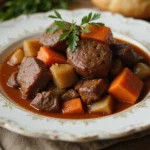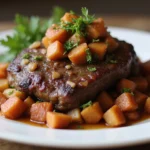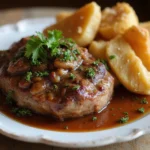
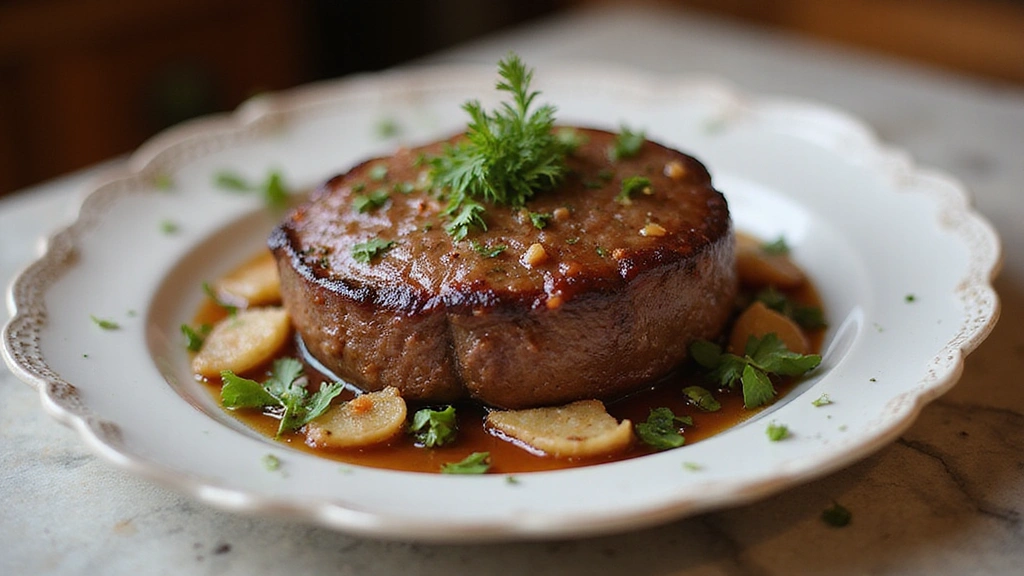
The Beef Eye of Round Roast is a true comfort food that highlights the simplicity and elegance of well-cooked meat.
With its rich flavor and tender texture, this roast is perfect for family gatherings or special occasions.
I first fell in love with this dish during a holiday dinner with my family, where the savory aroma filled our home, inviting everyone to the table.
This recipe is not only easy to follow, but it also delivers impressive results that will have your guests raving.
The History and Cultural Significance
• Beef Eye Of Round Roast Recipes Tender & Easy traces its origins to the American culinary tradition, where it has been a staple for families since the mid-20th century.
• The dish evolved over decades as cooking techniques improved, with more emphasis on slow roasting and seasoning to enhance the meat’s natural flavors.
• In many American households, this dish traditionally appears at holiday gatherings and family celebrations, symbolizing togetherness and warmth.
• While many variations exist, the authentic version maintains its focus on simple seasoning, allowing the quality of the beef to shine.
Recipe Overview
Nutritional Information (per serving)
Ingredients
Essential Equipment Guide
Roasting Pan: A sturdy roasting pan is essential for even cooking and capturing the juices that can be used for gravy. Look for one with high sides to accommodate the roast and any vegetables you may want to add.
Meat Thermometer: This tool is crucial for achieving the perfect doneness without cutting into the meat too frequently. Opt for a digital thermometer for quick readings and accuracy.
Chef’s Knife: A sharp chef’s knife is necessary for slicing the roast thinly for serving. Ensure it has a comfortable grip and a good balance for ease of use.
Preparation Methods
Searing: Searing the roast in a hot pan before roasting helps to lock in the juices and create a flavorful crust. Make sure your pan is hot enough before adding the meat, and don’t overcrowd the pan to maintain high heat.
Resting: Allowing the roast to rest after cooking is critical for juicy meat. This gives the juices time to redistribute, ensuring every slice is moist and tender.
Thickening Gravy: When making gravy, it’s important to mix cornstarch with cold water before adding it to the hot broth to avoid lumps. Stir continuously while heating to achieve a smooth consistency.
Step 1: Prepare Ingredients

Gather all the ingredients needed for the recipe.
Ensure that the eye of round roast is at room temperature for even cooking.
Wash and chop the vegetables into uniform sizes to promote even roasting.
Preheat your oven to 325°F (163°C) before starting the next steps.
Step 2: Season the Roast

Rub the eye of round roast with olive oil to help the seasonings adhere.
Sprinkle salt, black pepper, and garlic powder evenly over the meat, ensuring full coverage.
Massage the seasonings into the meat for enhanced flavor absorption.
Let the seasoned roast rest for about 15 minutes to allow the flavors to penetrate.
Step 3: Sear the Roast

Heat a large skillet over medium-high heat until hot.
Add the roast to the pan and sear for 3-4 minutes on each side until browned.
Look for a deep golden crust to form, indicating good flavor development.
Use tongs to turn the roast carefully to avoid piercing the meat.
Step 4: Prepare Vegetables

While the roast is searing, prepare your vegetables by washing and chopping them into chunks.
Place the vegetables at the bottom of the roasting pan to create a flavorful base.
Ensure they are spread out evenly for uniform cooking.
This will also allow them to absorb the juices from the roast.
Step 5: Roast in the Oven

Transfer the seared roast to the roasting pan on top of the vegetables.
Insert a meat thermometer into the thickest part of the roast, avoiding any bones.
Roast in the preheated oven for about 2 hours, or until the internal temperature reaches 135°F (57°C) for medium-rare.
Baste the roast with the juices from the pan every 30 minutes to keep it moist.
Step 6: Rest the Roast

Once the roast reaches the desired temperature, remove it from the oven.
Cover it loosely with aluminum foil and let it rest for at least 15-20 minutes.
This resting period is crucial for allowing the juices to redistribute throughout the meat.
Avoid slicing too soon to prevent the juices from running out.
Step 7: Prepare the Gravy

While the roast is resting, make the gravy using the drippings in the roasting pan.
Skim off excess fat and place the pan on the stove over medium heat.
Mix cornstarch with water in a small bowl to create a slurry, then add it to the pan drippings.
Stir continuously until the gravy thickens, then season to taste.
Step 8: Slice and Serve

Once the roast has rested, use a sharp chef’s knife to slice it thinly against the grain.
Arrange the slices on a serving platter, overlapping them slightly for presentation.
Serve with the roasted vegetables and gravy on the side.
Garnish with fresh herbs for a pop of color and extra flavor.
Critical Timing and Temperature Guide
Roasting Time: Roast the eye of round for about 20 minutes per pound at 325°F (163°C). Look for an internal temperature of 135°F (57°C) for medium-rare, or 145°F (63°C) for medium. Avoid overcooking to maintain tenderness.
Resting Time: Allow the roast to rest for 15-20 minutes after cooking. This is essential for redistributing the juices, ensuring every slice is juicy. Skipping this step can result in dry meat.
Gravy Thickness: When making gravy, it should coat the back of a spoon evenly. If it’s too thin, add more cornstarch slurry; if too thick, thin it out with additional broth.
Pro Tips for Beef Eye Of Round Roast Recipes Tender & Easy
• Ingredient Selection: Choose a high-quality eye of round roast, preferably grass-fed for better flavor and tenderness.
• Preparation Secret: Season the roast the night before and refrigerate it to allow the flavors to penetrate deeply.
• Temperature Management: Ensure the roast is at room temperature before cooking to promote even cooking throughout.
• Texture Enhancement: Slice against the grain to break up the muscle fibers, resulting in more tender slices.
• Flavor Layering: Consider adding fresh herbs like rosemary or thyme to the roast while it cooks for added aroma and flavor.
• Make-Ahead Strategies: The gravy can be made a day in advance and reheated before serving for convenience.
• Restaurant-Quality Finishing Touches: A drizzle of balsamic reduction over the sliced roast adds a gourmet finish that elevates the dish.
• Equipment Optimization: Use a digital meat thermometer for precise cooking results, ensuring you achieve your desired doneness.
Troubleshooting Common Issues
• Texture Too Tough: This usually occurs from overcooking the roast. Check the internal temperature with a meat thermometer to avoid this issue, and let the roast rest properly before slicing.
• Flavors Unbalanced: If the roast lacks flavor, it may need more seasoning. Be generous with salt and consider marinating overnight for deeper flavor.
• Gravy Too Thin: If your gravy is too thin, make a slurry with additional cornstarch and water, then stir it into the simmering gravy until thickened.
• Dry Roast: This can happen if the roast is overcooked. Monitor the cooking time closely and ensure it rests after cooking to keep it moist.
• Vegetables Burned: If your vegetables burn before the roast is done, cover them with foil halfway through cooking to protect them from direct heat.
Variations and Regional Differences
• Italian Style: In Italy, the roast might be marinated in red wine and herbs before cooking, adding a robust flavor profile and tenderness.
• BBQ Style: In the Southern U.S., the eye of round can be slow-cooked with a BBQ rub and served with a tangy sauce, offering a smoky twist.
• Asian Inspired: A version with soy sauce, ginger, and sesame oil can give the roast a unique flavor profile that complements steamed rice.
• Modern Interpretations: Contemporary adaptations often include sous-vide techniques, allowing for precision cooking at lower temperatures for juicier results.
Food Science Behind the Recipe
• Maillard Reaction: This is the chemical reaction that occurs when the roast is seared, creating a rich brown crust and deep flavors. Understanding this process can help you achieve that perfect sear.
• Collagen Breakdown: The eye of round contains connective tissue that can make it tough. Slow cooking breaks down collagen into gelatin, resulting in a more tender roast.
• Resting Period: During resting, the meat’s fibers relax, allowing juices to redistribute evenly. This is why resting is crucial for juicy slices.
Frequently Asked Questions
What’s the most common mistake people make when preparing Beef Eye of Round Roast? Overcooking the roast is a frequent error. Use a meat thermometer to ensure you achieve the desired doneness without losing moisture.
Can I prepare components of this dish in advance? Yes, you can chop the vegetables and prepare the gravy a day ahead. Store them in airtight containers in the refrigerator.
How do I adapt this recipe for dietary restrictions? For gluten-free needs, ensure your broth is gluten-free, and use cornstarch for gravy thickening instead of flour.
What’s the best way to store and reheat leftovers? Store leftovers in an airtight container in the refrigerator for up to 3 days. Reheat in the oven at 350°F (175°C) until warm, adding a splash of broth to keep it moist.
Can I freeze this dish? Yes, you can freeze the roast and gravy separately. Wrap them tightly in plastic wrap and foil, and they will last up to 3 months.
What wine or beverages pair best with this dish? A medium-bodied red wine, such as Merlot or Cabernet Sauvignon, pairs beautifully with the rich flavors of the roast.
How can I scale this recipe up for a crowd? Increase the size of the roast proportionally and adjust cooking time accordingly. Ensure to monitor the temperature with a meat thermometer.
What side dishes complement this recipe best? Classic sides like mashed potatoes, green beans, or a fresh salad work wonderfully with this roast.
How do professional chefs elevate this dish for restaurant service? Chefs often incorporate gourmet sauces, present the dish artfully, and use high-quality ingredients to enhance the overall dining experience.
Serving and Presentation Guide
• Traditional Presentation: Serve the roast on a large wooden cutting board, surrounded by the roasted vegetables. A simple garnish of fresh herbs adds a rustic touch.
• Modern Plating Ideas: Slices of roast can be arranged artfully on a plate with a drizzle of gravy and a small mound of vegetables on the side, creating an elegant presentation.
• Accompaniment Suggestions: Consider serving with a light salad, mashed potatoes, or roasted root vegetables to complement the flavors.
• Special Occasion Presentation: For holidays, consider garnishing with rosemary sprigs and serving on a festive platter for an eye-catching display.
Conclusion
The Beef Eye of Round Roast is more than just a meal; it’s a centerpiece for gathering and sharing with loved ones.
I encourage you to try this recipe and experience the joy of preparing a tender, flavorful roast.
Each bite will remind you of the warmth and connection that food brings to our lives.